If you have ever made beautiful homemade ravioli only to watch them dissolve into a cloudy, cheesy mess in the pot, the problem was almost never your pasta. It was your filling. After years of making filled pasta, and ruining plenty of batches along the way, I have become convinced that the filling is where ravioli are won or lost.
This guide is built around that belief. Below you will find nine ravioli filling recipes I actually make, organised from the foundational to the showy, plus the technical groundwork that most recipe sites skip entirely.
Antonio Carluccio had a famous motto: MOF MOF, “Minimum Of Fuss, Maximum Of Flavour”, and nowhere does that idea matter more than inside a raviolo, where you have one tablespoon of filling to make an entire dish sing.
Let’s start with the rule that will save your next batch.
The Golden Rule: Control the Moisture
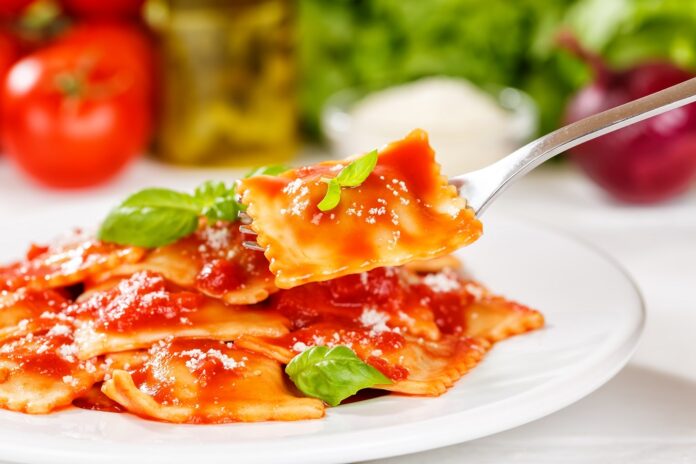
Here is the single most important thing about ravioli filling, and it is the thing nine out of ten articles bury at the bottom of the page: a wet filling will destroy your ravioli.
Excess moisture does three bad things. It makes the filling impossible to seal because the dough won’t grip a damp surface. It steams inside the parcel as it cooks and blows the ravioli open. And it leaches into the pasta, leaving you with a gummy, soggy shell instead of a tender one.
The usual culprit is ricotta. Most supermarket ricotta is packed with whey and sitting in liquid. If you scoop it straight from the tub into your filling, you are building on a swamp.
The fix is non-negotiable: drain your ricotta. Line a fine sieve with a couple of layers of cheesecloth (or a clean kitchen towel), spoon the ricotta in, set it over a bowl, and leave it in the fridge for at least a few hours; overnight is better. You will be genuinely surprised how much liquid drains out. If you are short on time, press it firmly with the back of a spoon and squeeze it in the cloth.
The same logic applies to every watery ingredient:
- Spinach must be cooked, cooled, and then wrung out in a towel until it is almost dry and crumbly. A surprising amount of water hides in a handful of cooked spinach.
- Mushrooms should be sautéed until they have given up their water and started to brown, never used raw.
- Roasted squash or pumpkin is far better than boiled, because roasting drives off moisture and concentrates flavour.
Get the moisture right and everything else is detail.
The Anatomy of a Great Filling
Once you stop thinking of fillings as random combinations and start thinking of them as a formula, you can invent your own with confidence. Almost every great ravioli filling has four parts:
- The base: the bulk of the filling. Usually ricotta, but it can be braised meat, roasted vegetables, or potato.
- The binder: what holds it together so it doesn’t crumble or leak. Usually an egg yolk, sometimes grated hard cheese, occasionally a spoonful of fine breadcrumbs to soak up stray moisture.
- The salt-and-savour: a finely grated aged cheese like Parmigiano-Reggiano or Pecorino Romano, which does the heavy lifting on flavour. (If you are unsure which to reach for, this breakdown of Pecorino Romano vs Parmesan explains exactly how they differ.)
- The accent: the one bright note that lifts the whole thing: nutmeg, lemon zest, fresh herbs, a little black pepper, a whisper of garlic.
Keep that structure in mind as you read the recipes below and you will see it appear again and again.
9 Ravioli Filling Recipes
Quantities below are generous enough for roughly 30 to 40 medium ravioli (serving four). All cheese measurements assume the ricotta has been drained.
1. Classic Ricotta & Parmesan (the foundation)
The one to learn first. Master this and you understand ravioli.
- 250g ricotta, well drained
- 60g Parmigiano-Reggiano, finely grated
- 1 egg yolk
- A pinch of freshly grated nutmeg
- Salt and freshly ground black pepper
Mix gently; do not whip it. Taste it raw (it is safe with a pasteurised egg yolk, or fry a tiny test spoonful) and adjust the salt. It should taste a touch too seasoned in the bowl, because the bland pasta will mute it. This pairs beautifully with nothing more than butter and sage, or with a simple homemade Italian tomato sauce.
2. Spinach & Ricotta
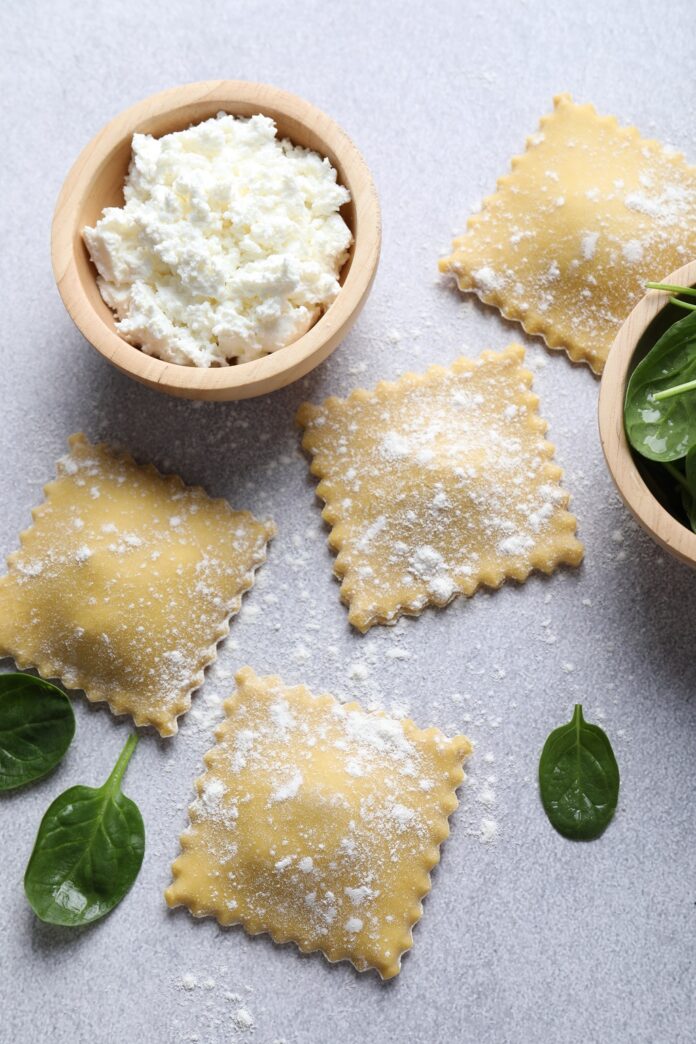
The trattoria classic, and the one most people make wrong by skipping the wringing step.
- 250g ricotta, drained
- 150g cooked spinach, squeezed bone dry and finely chopped
- 50g Parmigiano-Reggiano
- 1 egg yolk
- Nutmeg, salt, pepper
The nutmeg is not optional here; it is the traditional partner to spinach and ricotta and the dish tastes flat without it.
3. Mushroom & Thyme
View this post on Instagram
Earthy and deeply savoury; my pick for autumn.
- 300g mixed mushrooms, finely chopped and sautéed in butter until dry and golden
- 150g ricotta, drained
- 40g Parmesan
- 1 small shallot, softened in the same pan
- Leaves from a few sprigs of fresh thyme
- A splash of dry white wine, cooked off completely
Let the mushrooms cool fully before mixing in the ricotta, or the heat will make the cheese weep. A few notes on which herbs play well together can be found in this guide to the best Italian herbs for cooking at home.
4. Butternut Squash & Sage (or Pumpkin)

A northern Italian favourite, especially around Mantua. Slightly sweet, gorgeous with brown butter.
- 300g squash or pumpkin, roasted until soft and mashed
- 80g Parmesan
- 1 egg yolk
- A small handful of crushed amaretti biscuits (the traditional touch; adds sweetness and absorbs moisture)
- Nutmeg, salt
Roast, never boil, the squash. Boiling is the fast track to a watery filling and a heartbreaking pot of burst ravioli.
5. Three-Cheese
Richer and more indulgent than the classic ricotta filling.
- 200g ricotta, drained
- 75g mozzarella, grated and patted dry
- 60g Parmesan or Pecorino
- 1 egg yolk
- Fresh parsley, salt, pepper
Dry the mozzarella well; fresh mozzarella is another sneaky source of water.
6. Braised Meat (the Sunday filling)
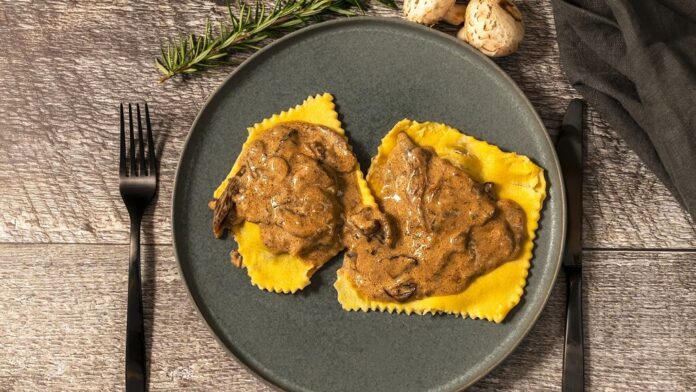
This is how filled pasta was traditionally made in many Italian homes: as a clever way to use leftover slow-cooked meat. If you have made a ragù, you already have the start of a filling; see the Tagliatelle al Ragù Bolognese recipe for the braise.
- 250g cooked braised beef or pork (or leftover roast), very finely chopped or pulsed
- 50g Parmesan
- 1 egg
- 1 to 2 tablespoons fine breadcrumbs to bind
- A spoonful of the braising juices, plus nutmeg and salt
The breadcrumbs here do double duty: they bind the meat and soak up any stray fat or liquid.
7. Sausage & Fennel
@casterazucar This pork and fennel ravioli is super easy, not at all traditional and might garner a little bit of backlash, but WHATEVER G: For the Pasta: 1 Medium Cooked Beetroot 2 Eggs 2 Pinches of Salt Tbps Olive oil 2 sprigs of fresh rosemary, leaves removed Blend the above ingredients until suuuper smooth. ~300g High Grade Flour + extra for dusting (this will be variable due to egg size and beetroot size, but start with the amount listed above) Put the flour on a large clean work surface, make a crater in the flour and pour in the beet-egg mixture. Slowly incorporate the flour with a fork until well combined. this might not be enough flour, so add more slowly until it kneads on the bench without sticking. Knead until smooth and not tacky anymore. Rest for half an hour, under a bowl (i dont use cling film for this). Fennel and Pork Filling 500g Pork Mince A tbsp fennel seeds 1 Bulb of fennel, minced 2 Cloves of garlic, minced Salt Pepper Olive Oil Water Add the garlic fennel seeds and bulb to a well-oiled pan. Caramelized on a medium high heat. Add water when it starts to stick. Reduce, add water, repeat until the fennel is soft and a few shades darker. Mix with the pork meat. Season well with salt and pepper (I fry up a little bit to check the seasoning is correct). Create your ravioli using your preferred method of ravioli making – stuff the pork and fennel mixture in. Cook in simmering salted water for a while – too short and the meat will be undercooked. But you don’t want a rolling boil – it’ll overcook in a heart beat. Goes well with olive oil, and some sort of citrus juice, as well as fennel stalks, or you can do what I did – a cauliflower and celery puree: -Half a cauliflower, roughly chopped -2 Large Celery Stalks, roughly chopped -400ml whole milk -50g salted butter -Salt and white pepper Add all the above to a pressure cooker. Pressure cook on a low-med heat for 20mins. Slowly release pressure. Puree with an immersion blender. Salt and white pepper to taste. Enjoy! #fyp #ravioli #cooktok deas #italianfood #cooktok ♬ original sound – Caster Azucar
Big, bold, weeknight-friendly flavour with almost no effort.
- 250g good Italian sausage, casings removed, browned and cooled
- 100g ricotta, drained
- 40g Parmesan
- A pinch of fennel seed (if your sausage isn’t already seasoned with it)
- 1 egg yolk
Drain the cooked sausage well on paper towel before mixing.
8. Lemon & Ricotta
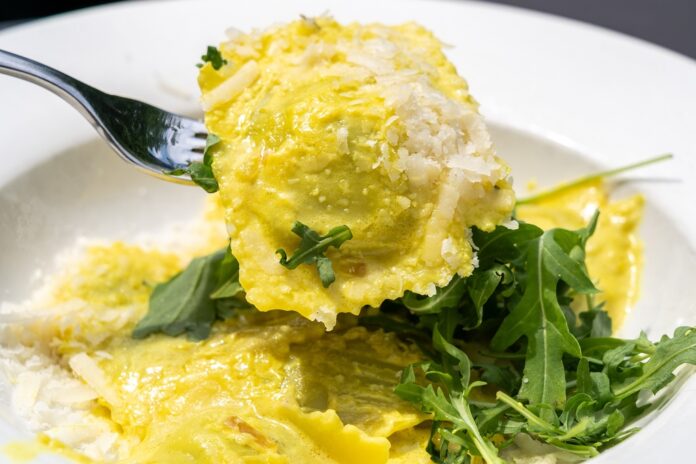
Light, fresh, and perfect for spring. This is the filling I make when I want ravioli to taste like sunshine.
- 250g ricotta, drained
- 60g Parmesan
- Zest of 1 lemon
- 1 egg yolk
- A little chopped basil, salt, white pepper
Serve simply, with butter and a squeeze of lemon; let the filling do the talking.
9. Egg Yolk Raviolo (uovo in raviolo)
The showstopper. A single large raviolo with a soft, runny egg yolk suspended in a ring of seasoned ricotta. It cuts open to a golden flood of yolk. Not for a first attempt, but unforgettable when you nail it.
- Classic ricotta filling (recipe 1), piped into a thick ring
- 1 very fresh egg yolk per raviolo, nestled in the centre
- Cook for only 2 to 3 minutes so the yolk stays liquid
Bonus – sweet ricotta: drained ricotta, a little sugar, lemon zest, and grated dark chocolate makes a dessert raviolo that surprises everyone at the table.
What the Internet Gets Right (and Wrong)
I spent some time reading through the home-cook communities on Reddit, including r/Cooking, r/pasta, and r/fitmeals when people are chasing protein, to see what experienced amateurs have learned the hard way. The consensus is remarkably consistent, and it lines up with everything above:
- “Drain the ricotta or suffer.” This is the single most repeated piece of advice in every thread, usually from someone who learned it by watching their first batch fall apart. If you take nothing else from this article, take this.
- The wonton wrapper shortcut. A genuinely popular hack: use shop-bought wonton or gyoza wrappers instead of making pasta dough. Purists wince, but the community is overwhelmingly positive. It is fast, the results are good, and it is a brilliant way to practise your fillings before committing to homemade dough. One common tip: if a single wrapper feels too thin, press two together with a little egg wash.
- Press out the air. Trapped air expands in boiling water and pops the seal. Seal from the filling outward, pushing air to the edges before you crimp.
- Don’t overfill. The most common beginner mistake after wet ricotta. A teaspoon to a tablespoon is plenty; an overstuffed raviolo cannot seal and will burst.
- Stop dumping ravioli in a colander. A point professional kitchens make constantly: lift cooked ravioli out with a slotted spoon or spider, straight into your sauce. Tipping a whole pot through a colander batters the delicate parcels and splits them.
- Freeze them raw. Lay filled ravioli on a floured tray, freeze until solid, then bag them. They cook straight from frozen and it makes a weeknight dinner effortless.
The thing the internet gets wrong? Treating filling as an afterthought to the dough. Almost every viral “easy ravioli” post lavishes attention on the pasta and gives the filling two lines. It is exactly backwards.
My Honest Opinion
A few things I have come to believe, which you are free to disagree with:
The classic ricotta-Parmesan filling is still the best
After all the mushroom-truffle-lobster experiments, the one I come back to is the simplest. It is the purest expression of Carluccio’s MOF MOF idea: three or four good ingredients, treated with respect, beating any over-engineered filling.
Egg yolk in the filling matters more than people think
Even a single yolk transforms the texture from grainy and loose to silky and cohesive. I now add one to almost everything.
Skip the garlic-heavy fillings
Raw or aggressive garlic inside ravioli tends to turn harsh and dominate the delicate pasta. If you want garlic, put it in the sauce, not the parcel.
Wonton wrappers are not cheating
I resisted for years out of snobbery. They are a perfectly legitimate way to eat homemade-tasting ravioli on a Tuesday, and they let you focus on the part that actually matters: the filling.
Pro Tips for Filling and Sealing
- Chill the filling before you use it. Cold filling is firmer, easier to portion, and less likely to leak. Make it an hour ahead.
- Use a piping bag (or a zip-top bag with the corner snipped) for neat, consistent dollops, especially for ring-shaped fillings.
- Season harder than feels right. The pasta is bland; the filling has to carry the seasoning for both.
- Brush a little water or egg wash between the sheets only where they meet, then press out the air and crimp firmly with a fork or cutter.
- Cook gently. A rolling boil tears ravioli apart. Bring the water to a boil, then drop it to a gentle simmer before they go in. They are done about a minute after they float. If you want the science of getting pasta texture exactly right, here is how to cook pasta al dente every time.
Frequently Asked Questions
Final Thoughts
Great ravioli are not about exotic ingredients or professional equipment. They are about respecting one tablespoon of filling enough to drain it, season it, bind it, and balance it. Get the moisture right, build on the four-part formula, and you can invent fillings for the rest of your life.
Start with the classic ricotta and Parmesan this week. Once it works, the other eight will feel easy, and you will never look at a tub of ricotta the same way again.
For more from the kitchen, browse all our pasta recipes and guides.