The debate over fresh versus dried varieties is one of the most misunderstood topics in Italian cooking, especially outside Italy. It’s essential to understand that one is not inherently better than the other; they serve different culinary purposes. The key lies in knowing when to use each type to enhance your dishes.
Fresh options are tender and delicate, while dried types are firm and elastic. Each is designed for specific regional cuisines, influenced by tradition and structure. This guide will explore the essential differences, including historical usage, ingredient variations, and texture comparisons. It will also delve into sauce pairings and common mistakes made by cooks.
Understanding when Italians use each type is crucial for cooking authentically. This knowledge allows you to choose the right option based on sauce, structure, and tradition. From handmade tortellini to bronze-cut spaghetti, this guide will cover it all. Real Italian cooking begins with a deep understanding of pasta itself.

Understanding Fresh Pasta Vs Dry Pasta: The Essential Differences
Differentiating between the types of pasta is essential for creating authentic Italian dishes. Each type has its unique qualities that can influence the outcome of your meal. This section will define both fresh and dried varieties, highlighting their characteristics and the role of moisture and structure.
Definition and Basic Characteristics of Fresh Pasta
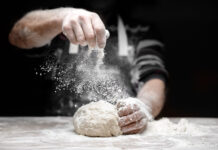
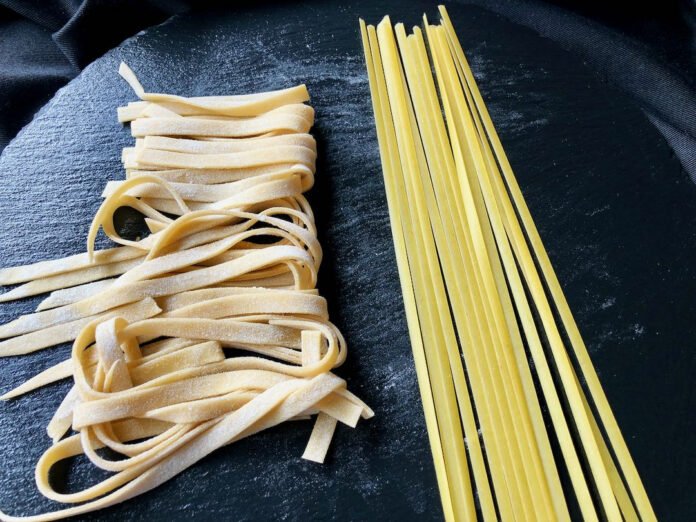
Fresh pasta is typically made with flour and eggs, especially in Northern Italy. This combination results in a soft and tender texture. It cooks quickly, usually in just one to three minutes. Many chefs prefer to make this type by hand, which allows for greater control over the final product.
Due to its higher moisture content, fresh pasta pairs beautifully with delicate sauces, such as those that are butter-based or creamy. Its silky nature allows it to absorb flavors effectively, enhancing the overall dish.
Definition and Basic Characteristics of Dry Pasta
Dried pasta, on the other hand, is made from durum wheat semolina and water, traditionally without eggs. This results in a firm and elastic bite, requiring a longer cooking time of eight to twelve minutes. Most dried varieties are produced industrially, often extruded through bronze dies to create a rough texture that holds sauces well.
This type of pasta is designed for more structured dishes, making it ideal for oil-based or tomato-based sauces. The sturdiness of dried pasta allows it to maintain its shape and bite, even when coated in hearty sauces.
The Role of Moisture and Structure in Pasta Types
The key difference between these two types of pasta lies not just in moisture but also in their fundamental structure. Dried pasta is engineered to hold sauce effectively, ensuring a satisfying bite. In contrast, fresh pasta is crafted to absorb and embrace the sauce, providing a different culinary experience.
Understanding these distinctions is crucial for any home cook seeking authentic Italian results. Both types of pasta have their rightful place in the kitchen, and neither is inherently superior. The ingredients used in each type directly influence their behavior during cooking and their final texture on the plate.
| Type of Pasta | Main Ingredients | Texture | Cooking Time | Best Sauce Pairings |
|---|---|---|---|---|
| Fresh Pasta | Flour, Eggs | Soft, Tender | 1-3 minutes | Butter-based, Creamy |
| Dried Pasta | Durum Wheat Semolina, Water | Firm, Elastic | 8-12 minutes | Oil-based, Tomato-based |
Historical and Regional Usage of Fresh and Dried Pasta in Italy
In Italy, the choice between pasta types reflects deep-rooted regional traditions and cultural significance. Each region has its own culinary identity, shaped by local ingredients and historical practices. This section explores how fresh and dried varieties are utilized across Italy, showcasing their unique roles in traditional dishes.
Fresh Pasta Traditions in Northern Italy
Fresh pasta holds a special place in Northern Italian cuisine. Regions like Emilia-Romagna, Piedmont, and Veneto have perfected egg-based doughs over centuries. Iconic shapes such as tagliatelle, tortellini, ravioli, agnolotti, and pappardelle emerged from these kitchens, often tied to family gatherings and celebrations.
For instance, tortellini in brodo is a classic dish that highlights the importance of fresh pasta. The tenderness of fresh varieties is ideal for delicate sauces, making them a favorite for special occasions. The process of rolling dough by hand is not just about food; it’s a cherished ritual that brings families together.
Dried Pasta Dominance in Central and Southern Italy
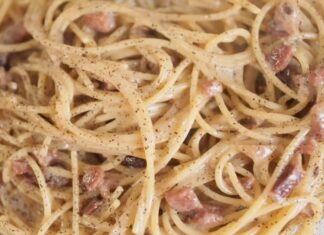
In contrast, dried pasta reigns supreme in Central and Southern Italy. Made from durum wheat semolina and water, it forms the backbone of daily cuisine. Roman classics like carbonara, amatriciana, and cacio e pepe require dried pasta for proper starch release and emulsification.
This type of pasta is selected when sauces are bold or acidic, ensuring that the dish maintains its structural integrity. The everyday nature of dried varieties makes them essential for hearty meals that demand a firm bite.
Cultural and Culinary Significance Behind Pasta Choices
The way Italians choose between fresh and dried options is deeply rooted in tradition. Each type was designed for its regional cuisine, reflecting generations of culinary knowledge. Fresh pasta is typically reserved for delicate sauces and celebratory dishes, while dried pasta serves as the everyday workhorse for more robust flavors.
Understanding these distinctions transforms a cook’s approach to Italian dishes. It goes beyond merely following recipes; it invites a deeper appreciation for the rich tapestry of Italian cuisine.
Key Differences in Ingredients and Preparation Methods
Understanding the ingredients and methods behind different pasta types is vital for any culinary enthusiast. Each type of pasta is crafted from unique components, which significantly affect its texture and flavor. This section will break down the essential ingredients and explore how preparation methods vary between the two types.
Ingredients: Flour, Eggs, Semolina, and Water
The fundamental ingredients for pasta differ greatly between the two types. Fresh pasta is typically made from a combination of flour and eggs. This rich mixture results in a tender dough that has a higher fat content. The eggs contribute to the pasta’s delicate texture and flavor.
In contrast, dried pasta is made from durum wheat semolina and water. This simple combination creates a firm and elastic structure, making it ideal for longer cooking times. The choice of flour plays a crucial role; fresh pasta often uses soft wheat flour, while dried pasta relies on coarse semolina for strength.
Production: Handmade Versus Industrial Extrusion
The production methods for these two types of pasta highlight their differences. Skilled artisans typically make fresh pasta by hand. They knead the dough to achieve the perfect consistency, allowing for greater control over the final product.
Dried pasta, on the other hand, is produced through an industrial extrusion process. In this method, dough is forced through dies to create consistent shapes. After shaping, the pasta is slowly dried to preserve its quality.
Impact of Bronze-Dies and Surface Texture
The use of bronze dies in the production of dried pasta significantly impacts its texture. These dies create a rough, porous surface that grips sauces better than smooth Teflon-extruded alternatives. This roughness is essential for achieving a satisfying bite and ensuring that sauces adhere effectively.
Fresh pasta made by hand also exhibits a slightly rough texture, with tiny ridges that serve a functional purpose in sauce adhesion. Understanding these differences in texture and production methods can empower cooks to select the right pasta for every dish.
| Type of Pasta | Main Ingredients | Texture | Production Method |
|---|---|---|---|
| Fresh Pasta | Flour, Eggs | Tender, Rich | Handmade |
| Dried Pasta | Durum Wheat Semolina, Water | Firm, Elastic | Industrial Extrusion |
Texture and Cooking Time: How They Affect Your Dish
The texture and cooking time of pasta are crucial factors that can elevate or diminish a dish’s overall quality. Understanding these elements helps cooks choose the right type for their recipes.
Soft and Tender Texture of Fresh Pasta
Fresh pasta is known for its soft and tender texture. It cooks in just one to three minutes, delivering a silky, luxurious mouthfeel. This rapid cooking time makes it perfect for quick, elegant meals.
The high moisture content in fresh varieties contributes to their delicate nature. This quality allows them to absorb sauces effectively, enhancing the overall flavor of the dish.
Firm and Elastic Texture of Dried Pasta
In contrast, dried pasta offers a firm and elastic texture. It requires eight to twelve minutes of cooking to achieve the perfect al dente bite. This longer cooking time allows for gradual starch release, essential for creating emulsified sauces in classic Roman dishes.
The bite of dried pasta provides a satisfying chew that pairs well with hearty, chunky, and acidic sauces. Its structure holds up beautifully, making it ideal for robust flavor profiles.
Cooking Times and Their Culinary Implications
The distinctions in cooking time between these two types have significant culinary implications. For instance, the quick cooking time of fresh varieties allows for speedy meal preparation, while the longer time for dried options ensures that the pasta develops the necessary starches for sauce adhesion.
While fresh options absorb more water during cooking, it’s crucial to focus on achieving the ideal texture rather than calorie reduction. Mastering the cooking times for both types is essential for achieving restaurant-quality results at home.
| Type of Pasta | Texture | Cooking Time | Ideal Sauce Pairings |
|---|---|---|---|
| Fresh Pasta | Soft, Tender | 1-3 minutes | Delicate, Creamy |
| Dried Pasta | Firm, Elastic | 8-12 minutes | Hearty, Chunky |

Fresh Pasta Vs Dry Pasta: Pairing Sauces and Popular Dishes
Choosing the right type of pasta for your sauce is essential for creating a delicious dish. The combination of sauce and pasta can elevate a meal, enhancing flavors and textures. Understanding which sauces pair best with each type of pasta is key to achieving authentic Italian cuisine.
Sauces Best Matched with Fresh Pasta
Fresh varieties excel with butter-based and cream sauces. Their tender texture allows them to absorb these sauces beautifully. For example, ricotta-filled tortelloni pairs perfectly with burro e salvia, a classic butter and sage sauce. This combination highlights the delicate flavors of the filling while providing a rich, silky finish.
Moreover, the ability of fresh pasta to cling to emulsified sauces makes it ideal for light, delicate preparations. These sauces enhance the natural taste of the pasta, creating a harmonious dish. The tender structure of fresh pasta also complements simple, fresh ingredients, allowing them to shine.
Sauces Perfect for Dry Pasta
Dried varieties are more suited for robust sauces, especially those that are hearty or chunky. For instance, classic Roman dishes like carbonara and cacio e pepe rely on the firm texture of dried spaghetti or tonnarelli. These sauces require a pasta that can hold its shape and absorb flavors without becoming mushy.
Additionally, oil-based sauces like aglio e olio are best served with dried pasta. The starch released during cooking helps create a perfect emulsion, enhancing the overall dish. This makes dried pasta an essential choice for many traditional Italian recipes.
Iconic Dishes and Their Recommended Pasta Types
Understanding the ideal pasta for iconic dishes is crucial. Here are some classic pairings:
- Carbonara: Dried spaghetti is essential for this dish to maintain its structure.
- Bolognese (ragù alla bolognese): Traditionally served with fresh tagliatelle, showcasing its rich flavors.
- Cacio e Pepe: Dried spaghetti or tonnarelli captures the essence of this simple yet flavorful dish.
- Lasagna: Fresh sheets provide the perfect texture for layering.
- Aglio e Olio: Dried spaghetti is ideal for this oil-based sauce.
- Ravioli: Exclusively fresh, allowing for rich fillings to shine through.
It’s important to note that the shape of the pasta also plays a significant role in how well it pairs with a sauce. Different shapes are designed to capture specific sauces, enhancing the overall dining experience. Using the wrong type can lead to a dish that lacks balance, such as using fresh pasta for carbonara, which can result in a soft and imbalanced texture.
Ultimately, mastering the art of sauce and pasta pairing separates good home cooking from truly authentic Italian cuisine. For more insights on this topic, you can explore this guide.
Common Mistakes When Choosing Between Fresh and Dry Pasta
When it comes to choosing between different types of pasta, many home cooks make common mistakes. One of the most pervasive misconceptions is that fresh pasta is always superior to its dried counterpart. This belief is not only misleading but also contradicts Italian culinary traditions.
In Italy, neither type is considered pasta better than the other; they serve different purposes. For example, no Roman chef would use fresh tagliatelle to make carbonara. Similarly, no nonna would serve tortellini from a box of dried pasta. Each type of pasta was designed for its regional cuisine, making the choice crucial for authenticity.
Using fresh pasta for dishes like carbonara can lead to softness and imbalance. Dried varieties, on the other hand, release starch gradually and hold their shape, allowing for proper emulsification with eggs and cheese. This technical aspect is vital for achieving the desired texture in classic recipes.
Understanding the differences between fresh and dried options is essential for recreating authentic regional Italian dishes at home. Here are some common mistakes to avoid:
- Assuming fresh pasta is always the better choice without considering the dish’s requirements.
- Using the wrong pasta type for traditional recipes, which can fundamentally alter the dish’s flavor and texture.
- Neglecting the importance of texture and sauce compatibility, leading to culinary disasters.
- Ignoring the generations of Italian culinary wisdom reflected in pasta and sauce pairings.
- Failing to recognize that incorrect pasta choices can result in mushiness or sauce slippage.
Ultimately, selecting the right type of pasta should be guided by the sauce and tradition, not assumptions about quality or freshness. By avoiding these common mistakes, home cooks can enhance their Italian cooking skills and create dishes with confidence and authenticity.

Nutritional Considerations and Health Aspects
The nutritional value of pasta can significantly vary based on its type and ingredients. Understanding these differences is crucial for anyone looking to make informed dietary choices.
Nutritional Differences Between Fresh and Dried Pasta
Fresh varieties typically contain more cholesterol and fat due to the inclusion of eggs in the dough. This results in a richer flavor and texture, but it also increases the caloric content.
Dried options, on the other hand, are made exclusively from durum wheat semolina and water. This means they generally have a higher carbohydrate content while being lower in fat.
Impact of Ingredients on Calories and Fat
The ingredients used in each type directly affect their caloric density. Fresh pasta, being richer due to the eggs, is more filling. Dried pasta, being leaner, can be a lighter option.
Additionally, the type of flour used plays a role. Fresh pasta often utilizes refined soft wheat flour, while dried pasta uses coarse semolina, which has a different glycemic profile.
Health Implications of Cooking Methods and Sauce Choices
Cooking methods also influence the final nutritional content. Pasta absorbs water during cooking, which can reduce its calorie density per serving. However, it’s important not to sacrifice the al dente texture for the sake of calorie counting.
Fresh varieties, due to their fat content from eggs, can create a more satisfying meal. Yet, neither type is inherently better from a health perspective. The overall nutritional impact largely depends on sauce choices and portion sizes.
For a balanced diet, incorporating fresh dried pasta at home with vegetable-forward sauces can be beneficial. Understanding these nutritional nuances allows cooks to align their meals with their dietary needs and culinary goals.
| Type of Pasta | Calories (per 100g) | Fat Content | Carbohydrates |
|---|---|---|---|
| Fresh Pasta | 200 | 7g | 30g |
| Dried Pasta | 350 | 1.5g | 70g |
Conclusion
In Italian cooking, the choice between different types of pasta can be complex. Fresh pasta is tender and delicate, often reserved for special occasions and lighter sauces. Dried pasta, on the other hand, is structured and bold, making it the go-to for everyday meals.
Understanding when to use each type transforms cooking from simply following recipes to truly grasping Italian cuisine. Fresh pastas shine in family gatherings, while dried varieties are staples in daily cooking.
Every Italian town boasts its own pastificio, ensuring locals have access to fresh pasta. However, dried pasta remains a versatile option that is convenient for home cooks. Embrace both types and explore the culinary joy they bring to your kitchen.