Good pasta starts with one thing: the right flour. Sure, a killer sauce can save a lazy weeknight dinner, but the flour you choose is what actually decides how your dough feels, how thin you can roll it, and whether your final plate of pasta has a soft bite or that perfect, firm chew.
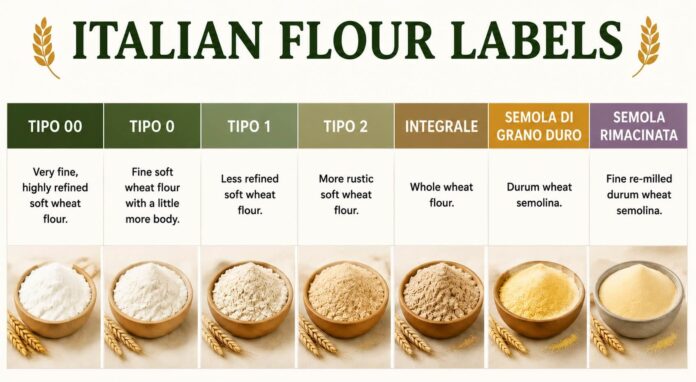
If you have ever looked at Italian flour labels, they can seem a bit cryptic compared to standard supermarket bags. You will run into names like tipo 00, tipo 0, tipo 1, tipo 2, integrale, semola di grano duro, and semola rimacinata. Every single one of those tells a story about how the wheat was milled and how it is going to behave under a rolling pin.
To keep it simple: if you want a smooth, silky fresh egg pasta, reach for the tipo 00 or tipo 0. If you are going for a sturdier, firmer bite, especially for those classic water-based shapes from southern Italy, semola or semola rimacinata is your best bet. Once you have got that down, picking out your flour gets a whole lot easier.
That idea fits the way Antonio Carluccio approached pasta: simple ingredients, handled with care. In the Antonio Carluccio guide to fresh egg pasta, the basic dough starts with one large egg for every 115g of flour, with small adjustments depending on the dough. Flour is the first choice that shapes everything after that.
How Italian Flour Labels Work
Italian flour labels are mainly about two things: the type of wheat and the level of refinement.
Soft wheat flour is called farina di grano tenero. Durum wheat flour and semolina come from grano duro, a harder wheat used for pasta with more firmness and bite.
Italian soft wheat flour is classified into types such as 00, 0, 1, 2 and integrale. The official Italian DPR 187/2001 rules classify these flours by mineral content, also called ash content. Tipo 00 is the most refined soft wheat flour, while tipo 1, tipo 2 and integrale contain more of the grain.
A common mistake is to think that 00 always means pasta flour. It does not. The 00 label tells you how refined the flour is. It does not automatically tell you protein level or best use. A 00 flour made for pastry will behave differently from a 00 flour made for pasta or pizza.
| Italian Flour Type | What It Means | Best Pasta Use |
|---|---|---|
| Tipo 00 | Very fine, highly refined soft wheat flour | Fresh egg pasta, ravioli, tortellini, tagliatelle |
| Tipo 0 | Fine soft wheat flour with a little more body | Fresh pasta with slightly firmer texture |
| Tipo 1 | Less refined soft wheat flour | Rustic fresh pasta, usually blended |
| Tipo 2 | More rustic soft wheat flour | Hearty pasta with more grain flavor |
| Integrale | Whole wheat flour | Whole wheat pasta, best blended with finer flour |
| Semola di grano duro | Durum wheat semolina | Dried pasta style, rustic pasta, firm dough |
| Semola rimacinata | Fine re-milled durum wheat semolina | Orecchiette, cavatelli, trofie, eggless pasta |
Tipo 00 Flour: The Classic Choice For Fresh Egg Pasta
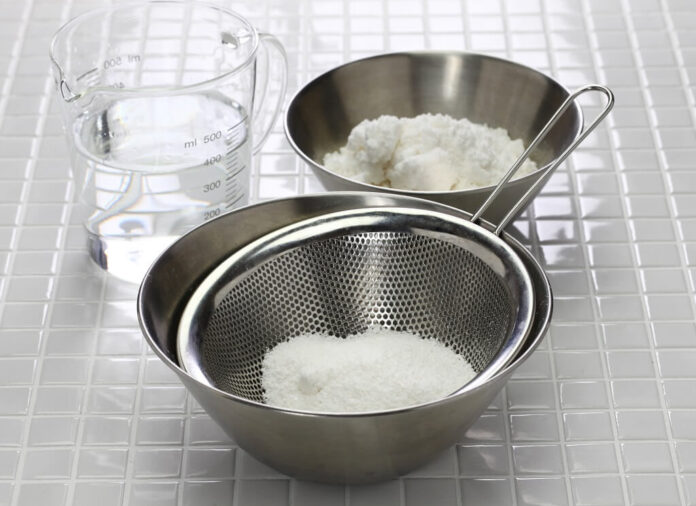
Tipo 00 flour is the flour most people associate with fresh Italian pasta. It is very fine, smooth and easy to knead into a silky dough. That makes it excellent for pasta sheets, ribbons and filled pasta.
Fresh egg pasta needs dough that rolls thinly without tearing. Tipo 00 helps with that. It gives ravioli, tortellini and tagliatelle a clean texture, especially when the pasta will be served with butter, sage, ragù, mushroom sauce or a delicate filling.
Best Uses For Tipo 00 Flour
- Tagliatelle
- Fettuccine
- Pappardelle
- Ravioli
- Tortellini
- Lasagne sheets
- Agnolotti
Tipo 00 works especially well when the dough needs to be thin and flexible. Filled pasta is the clearest example. Ravioli dough must seal around the filling without cracking, and tipo 00 gives the smoothness needed for that.
For a classic pairing, fresh egg pasta made with tipo 00 is a natural fit for tagliatelle al ragù Bolognese, where the pasta needs enough tenderness to carry the sauce without becoming heavy.
Tipo 0 Flour: A Little More Body In The Dough
Tipo 0 flour is still refined and smooth, but it has a little more body than tipo 00. In pasta dough, that can give a slightly firmer bite and a dough that feels more substantial under the hand.
Many home cooks like tipo 0 for tagliatelle, lasagne sheets and wider pasta ribbons. It is also a practical choice when tipo 00 feels too delicate or when the sauce is heavier.
When To Use Tipo 0 Flour
- Use it for fresh pasta with more chew.
- Use it for lasagne sheets that need structure.
- Use it for wider ribbons served with meat sauce.
- Use it as a substitute when tipo 00 is unavailable.
- Use it in blends with semola rimacinata for firmer egg pasta.
Tipo 0 is a useful middle ground. It keeps the dough smooth, but gives it a little more resistance. For everyday fresh pasta at home, it can be easier to handle than very soft 00 flour.
Semola Di Grano Duro: The Flour Behind Firm Pasta
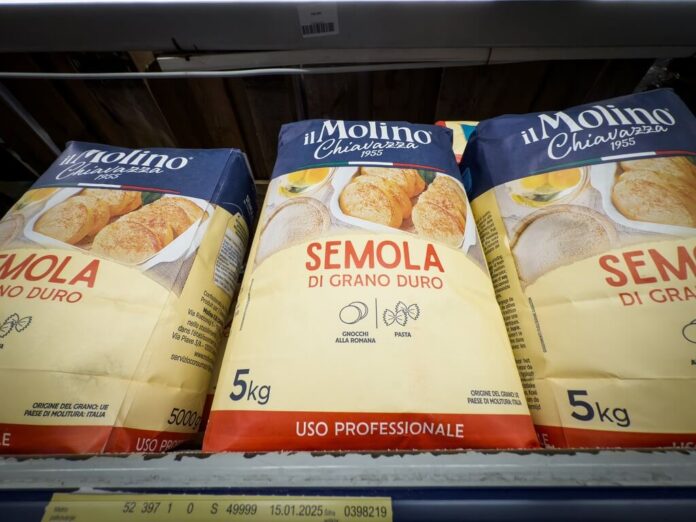
Semola di grano duro is durum wheat semolina. It has a firmer structure, a pale golden color and a more granular texture than soft wheat flour.
Durum wheat is closely linked with Italian dried pasta. The Italian DPR 187/2001 rules define pasta categories made from durum wheat semolina and water, including pasta di semola di grano duro and pasta di semola integrale di grano duro. That legal framework helps explain why durum wheat is central to classic Italian dried pasta.
Semolina gives pasta structure. It helps pasta hold shape during drying and boiling. It also gives the finished pasta a firmer bite, especially when compared with soft wheat flour.
Best Uses For Semola Di Grano Duro
- Dried pasta style dough
- Rustic hand-shaped pasta
- Eggless pasta
- Firm pasta with more chew
- Dusting pasta trays and boards
Semolina also helps prevent sticking when dusted lightly over fresh pasta. It is better for that job than fine soft wheat flour because it stays separate and does not become pasty as quickly.
The Antonio-Carluccio.com guide to semolina flour versus all-purpose flour for pasta also explains why semolina is preferred when pasta needs a firmer texture and a more reliable al dente bite.
Semola Rimacinata: The Best Flour For Many Eggless Pasta Shapes
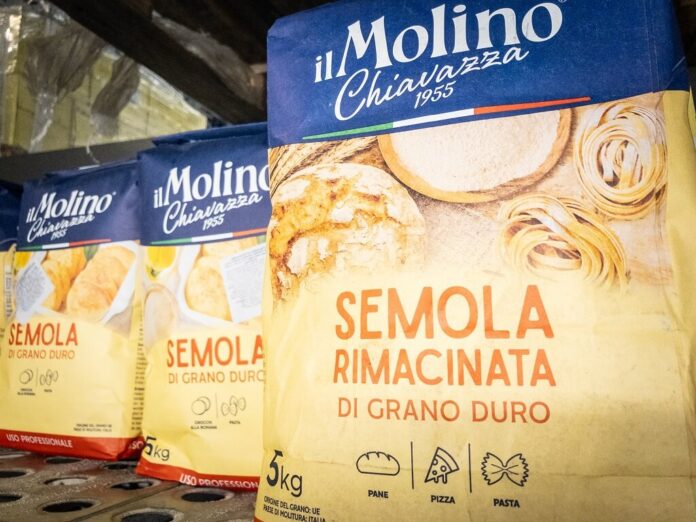
Semola rimacinata is re-milled durum wheat semolina. It comes from the same hard wheat family as semolina, but it is ground finer. That makes it easier to knead, shape and hydrate.
For home pasta, semola rimacinata is one of the most useful flours to keep in the kitchen. It is ideal for southern Italian pasta shapes made from flour and water, without eggs.
Best Uses For Semola Rimacinata
- Orecchiette
- Cavatelli
- Trofie
- Strascinati
- Malloreddus
- Gnocchetti sardi
- Water-based pasta dough
Semola rimacinata dough feels firmer than egg pasta. It needs a little patience. Warm water helps the flour hydrate, and resting the dough makes shaping easier.
A simple starting ratio is two parts semola rimacinata to one part warm water by weight. After kneading, the dough should rest until it feels smoother and easier to work.
| Problem With The Dough | Likely Cause | What To Do |
|---|---|---|
| Dough cracks at the edges | Too dry or under-rested | Add a few drops of water, knead again and rest covered |
| Dough feels sticky | Too much water or not enough rest | Add a little semola and rest before shaping |
| Dough springs back | Gluten needs time to relax | Cover and rest for another 20 to 30 minutes |
| Shapes collapse in cooking | Dough too soft or under-kneaded | Use less water and knead longer next time |
Tipo 1, Tipo 2 And Integrale: Rustic Flour With More Flavor
Tipo 1, tipo 2 and integrale flours contain more of the wheat character than 00 or 0. They bring deeper flavor, more color and a rougher texture.
In pasta, rustic flour can be wonderful, but it needs care. Whole wheat and less refined flours can make dough harder to roll and more likely to tear. For that reason, they usually work best in blends.
Useful Flour Blends For Rustic Pasta
| Blend | Best Use | Result |
|---|---|---|
| 70% tipo 00, 30% tipo 1 | Fresh egg tagliatelle | More flavor while keeping the dough easy to roll |
| 60% tipo 0, 40% tipo 2 | Rustic wide ribbons | More texture and better fit for heavier sauces |
| 80% tipo 00, 20% integrale | Filled pasta with a rustic edge | Slightly nutty flavor without making the dough too rough |
| 50% semola rimacinata, 50% integrale | Hearty eggless pasta | Firm dough with more grain character |
Rustic flour pairs well with mushrooms, sausage, beans, lentils, bitter greens, tomato sauces and slow-cooked meat sauces. For delicate fillings or very thin ravioli, tipo 00 remains the easier choice.
All-Purpose Flour: Can You Use It For Pasta?
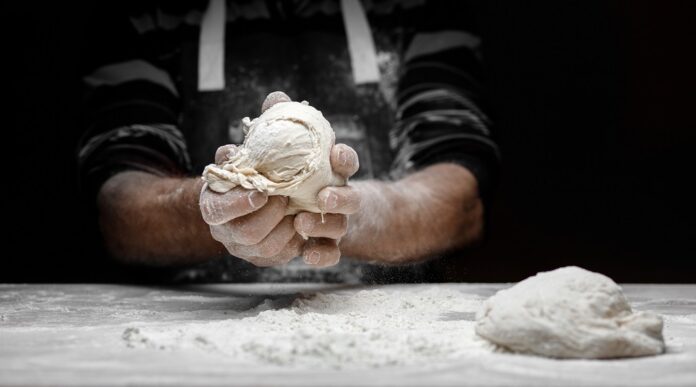
All-purpose flour can make fresh pasta. Many home cooks use it because it is easy to find and affordable. With eggs, it can make a workable dough for simple ribbons or sheets.
The difference appears in texture. All-purpose flour usually gives a softer result than semolina or Italian pasta flour. That can be fine for a first attempt at pasta, but it will not give the same bite as semola rimacinata or durum wheat semolina.
How To Improve All-Purpose Flour Pasta
- Add 20% to 30% semola rimacinata for more bite.
- Rest the dough before rolling.
- Use eggs for structure if making fresh sheets or ribbons.
- Avoid too much extra flour while rolling.
- Use the dough for simple shapes before trying filled pasta.
A good beginner blend is 70% all-purpose flour and 30% semola rimacinata. It gives more firmness while staying easier to handle than 100% durum wheat dough.
Which Flour Works Best For Each Pasta Shape?
The shape should guide the flour choice. Thin ravioli needs smooth dough. Orecchiette needs firm dough. Tagliatelle needs enough elasticity to roll thinly and enough body to hold sauce.
| Pasta Shape | Best Flour | Why It Works |
|---|---|---|
| Tagliatelle | Tipo 00 or tipo 0 | Rolls well and holds rich sauces |
| Pappardelle | Tipo 0 or tipo 00 with some semola rimacinata | Gives wider ribbons more bite |
| Ravioli | Tipo 00 | Rolls thinly and seals cleanly |
| Tortellini | Tipo 00 | Stays flexible for folding and shaping |
| Lasagne | Tipo 00 or tipo 0 | Creates smooth sheets that layer neatly |
| Orecchiette | Semola rimacinata | Holds the small ear shape during cooking |
| Cavatelli | Semola rimacinata | Works well for dragged pasta shapes |
| Maltagliati | Tipo 0, tipo 1 or mixed flour | Fits soups, beans and rustic sauces |
For more inspiration around pasta shapes and uses, the Antonio Carluccio page for Passion for Pasta is a helpful internal reference because it frames pasta as a world of shapes, textures and sauces rather than a single dough formula.
How Much Semolina Should You Add To Egg Pasta?
Adding semolina or semola rimacinata to egg pasta gives more bite. The amount depends on the pasta shape.
| Flour Blend | Best For | Texture |
|---|---|---|
| 100% tipo 00 | Ravioli, tortellini, delicate sheets | Smooth and flexible |
| 80% tipo 00, 20% semola rimacinata | Tagliatelle, fettuccine, lasagne | Slightly firmer but still easy to roll |
| 70% tipo 00, 30% semola rimacinata | Pappardelle and sturdier ribbons | More chew and firmer bite |
| 50% tipo 00, 50% semola rimacinata | Rustic egg pasta | Firmer dough that needs more rest |
| 100% semola rimacinata | Eggless pasta shapes | Firm, springy dough |
For filled pasta, keep the semolina lower. Dough for ravioli and tortellini needs to fold and seal without becoming too firm. For ribbons, especially those served with meat sauce, a higher share of semolina can work very well.
Why Resting The Dough Changes The Result
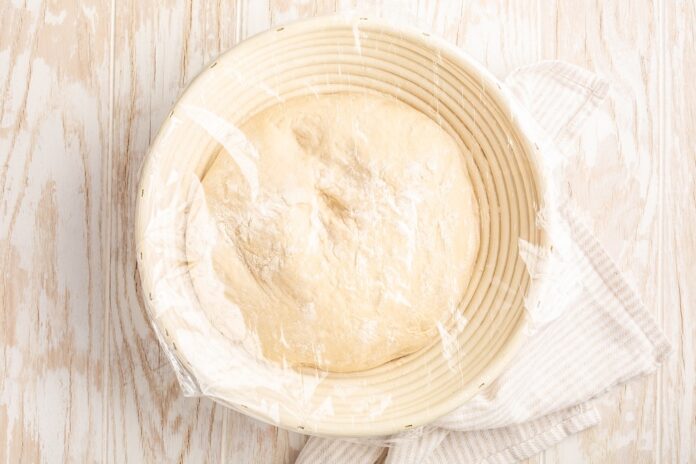
Resting is one of the simplest ways to improve pasta dough. After kneading, flour continues to absorb liquid and the dough relaxes. A dough that feels rough at first can become much smoother after half an hour.
Fresh egg pasta usually needs at least 30 minutes of rest. Semola rimacinata dough also benefits from rest because durum wheat absorbs water more slowly. If the dough feels tight, cover it and wait before adding more liquid.
A finished pasta dough should feel firm, smooth and elastic. It should not crumble at the edges, stick heavily to the table or pull back aggressively when rolled.
Common Pasta Flour Mistakes
Most pasta flour mistakes come from matching the wrong flour with the wrong shape. The flour may be good, but the result still suffers when it is used for the wrong job.
- Using coarse semolina for delicate ravioli sheets.
- Using only soft wheat flour for southern eggless pasta shapes.
- Buying tipo 00 without checking whether it is made for pasta, pizza or pastry.
- Adding too much flour while rolling.
- Skipping the resting time.
- Using whole wheat flour alone and expecting a smooth, flexible dough.
- Adding all the water at once instead of adjusting gradually.
The fix is simple: choose flour by pasta style, add liquid slowly, knead properly and rest the dough before judging it.
Italian Pasta Flour Buying Guide
When buying flour for pasta, look beyond the front label. Wheat type, texture and intended use are more useful than the most decorative packaging.
| Label Wording | What It Means | Best Use |
|---|---|---|
| Tipo 00 | Very fine soft wheat flour | Fresh egg pasta and filled pasta |
| Tipo 00 pasta flour | Fine flour milled or selected for pasta | Egg pasta, lasagne, ravioli |
| Tipo 0 | Fine soft wheat flour with more body | Fresh pasta with firmer texture |
| Semola di grano duro | Durum wheat semolina | Firm pasta and dried pasta style dough |
| Semola rimacinata | Fine re-milled durum semolina | Orecchiette, cavatelli, trofie |
| Integrale | Whole wheat flour | Rustic pasta, best used in blends |
For a small home pasta pantry, three flours cover most needs: tipo 00 for fresh egg pasta, semola rimacinata for eggless shapes, and a rustic flour such as tipo 1, tipo 2 or integrale for blended doughs.
Simple Pasta Flour Formulas To Start With
Exact absorption changes with flour brand, humidity, egg size and room temperature. Use these formulas as starting points, then adjust by touch.
| Pasta Dough | Flour Formula | Liquid | Best Use |
|---|---|---|---|
| Classic egg pasta | 100% tipo 00 | 1 large egg per 100g to 115g flour | Tagliatelle, ravioli, lasagne |
| Egg pasta with bite | 80% tipo 00, 20% semola rimacinata | Eggs, with tiny water adjustment if needed | Fettuccine, pappardelle |
| Water-based southern pasta | 100% semola rimacinata | About 50% warm water by flour weight | Orecchiette, cavatelli |
| Rustic egg pasta | 70% tipo 0, 30% tipo 1 | Eggs | Tagliatelle for hearty sauces |
| Whole wheat blend | 70% tipo 00, 30% integrale | Eggs, with small water adjustment if needed | Rustic ribbons and soups |
Touch tells you more than the formula. Sticky dough needs a little flour. Cracked dough needs a little water, more kneading or more rest. Smooth, firm dough is the goal.
FAQs
Bottom Line
Italian pasta flour becomes easier to understand once you separate soft wheat from durum wheat. Tipo 00 and tipo 0 are the natural choices for smooth fresh egg pasta. Semola rimacinata is ideal for eggless shapes such as orecchiette and cavatelli. Semola di grano duro gives pasta the firmer bite linked with classic dried pasta.
The best flour depends on the pasta shape. Ravioli needs smooth dough. Tagliatelle needs elasticity. Orecchiette needs firmness. Rustic pasta needs more grain flavor. Choose the flour for the shape first, then adjust the liquid and resting time until the dough feels right under your hands.
No label can replace touch. Flour gives the starting point, but good pasta comes from small adjustments: a little more rest, a little less flour on the board, a little more kneading, and enough patience to let the dough tell you what it needs.