Cooking pasta perfectly is an essential skill for any home chef. Achieving that ideal texture can elevate a simple meal into a delightful experience. When pasta is cooked just right, it enhances the overall dish, making it memorable and satisfying.
Many home cooks often face the challenge of overcooked, mushy noodles. This guide aims to provide a reliable way to master the technique of cooking pasta to perfection. Understanding the concept of al dente is key to transforming ordinary recipes into something extraordinary.
Throughout this article, readers will find step-by-step instructions and finishing techniques. The goal is to build confidence in cooking pasta with the ideal texture every time. Drawing on authentic Italian cooking principles, this guide offers practical tips from experienced chefs.
Once this method is mastered, overcooked pasta will be a thing of the past. This comprehensive guide is perfect for both beginners and seasoned cooks looking to create restaurant-quality dishes at home.

Understanding What “Al Dente” Means and Why It Matters
Understanding the term “al dente” is crucial for any pasta enthusiast. Literally translating from Italian as “to the tooth,” it describes pasta that is tender yet firm, offering a gentle resistance when bitten. This texture is not just a preference; it plays a significant role in the quality of the dish.
In Italy, serving overcooked pasta is seen as a culinary tragedy. The ideal texture allows the pasta to hold sauce effectively, enhancing the overall flavor. When pasta is cooked just right, it becomes a canvas for sauces, allowing them to cling beautifully instead of sliding off.
The sensory experience of enjoying al dente pasta is remarkable. Each bite provides a satisfying texture that brings the dish to life. This delightful resistance makes every mouthful more enjoyable, turning a simple meal into a memorable feast.
Moreover, al dente pasta holds its shape better than overcooked varieties. It also releases less starch into the cooking water, preserving its flavor. This is particularly important in Italian cuisine, where the integrity of each ingredient matters.
Health-wise, pasta cooked al dente digests more slowly. This slower digestion helps maintain stable blood sugar levels, providing steady energy. In contrast, overcooked pasta can lead to rapid spikes in blood sugar, making it less desirable for those mindful of their health.
Achieving the perfect al dente texture requires practice and attention. However, it is a skill that any home cook can master. This concept applies to all pasta shapes, from long strands like spaghetti to short tubes like penne and rigatoni.
Ultimately, understanding what al dente means is the foundation for everything that follows in the cooking process. Mastering this technique will enhance any pasta dish, ensuring it is always a delightful experience.
Preparing for Perfect Pasta: Choosing Water, Pot, and Salt
The foundation of great pasta lies in the proper selection of water, pot, and salt. Each of these elements plays a crucial role in achieving the desired texture and flavor. Understanding how to prepare these components can elevate any pasta dish.
How Much Water to Use
Using plenty of water is essential for even cooking. The recommended ratio is approximately 1 liter of water for every 100g of dried pasta. For a full 500g pack, that means using about 5 liters of water. This ample amount allows the pasta to move freely, preventing it from sticking together.
Selecting the Right Pot
Choosing the right pot is equally important. A large, high-sided saucepan or stockpot is necessary to give pasta enough room to swim. A pot that is too small can lead to sticking and uneven cooking. Ideally, for 500g of pasta, select a pot that holds at least 5 to 6 liters of water.
Seasoning the Water with Salt
Salt is the only seasoning that penetrates the pasta during cooking. It is crucial to add a tablespoon of coarse sea salt or rock salt to the boiling water. The water should taste pleasantly salty, similar to the sea. This step should never be skipped, as it enhances the flavor of the pasta itself.
It’s a common myth that adding olive oil to pasta water prevents sticking. In reality, it can hinder sauce adherence later. Proper preparation of the water, pot, and salt sets the stage for successful cooking and should not be rushed. Ensure the water is at a full, rolling boil before adding the pasta for immediate and even cooking.
| Pasta Amount (g) | Water Required (liters) | Pot Size (liters) |
|---|---|---|
| 100 | 1 | 2-3 |
| 250 | 2.5 | 4-5 |
| 500 | 5 | 5-6 |
These preparation steps are simple but essential habits that distinguish great pasta from mediocre results. Mastering them will lead to consistently delicious dishes.
Step-by-Step Instructions for Cooking Pasta Al Dente
Mastering the steps to achieve perfectly cooked pasta can transform any meal into a culinary delight. Following these clear instructions will ensure that the pasta is not only cooked but also retains its ideal texture.
Bringing Water to a Rolling Boil
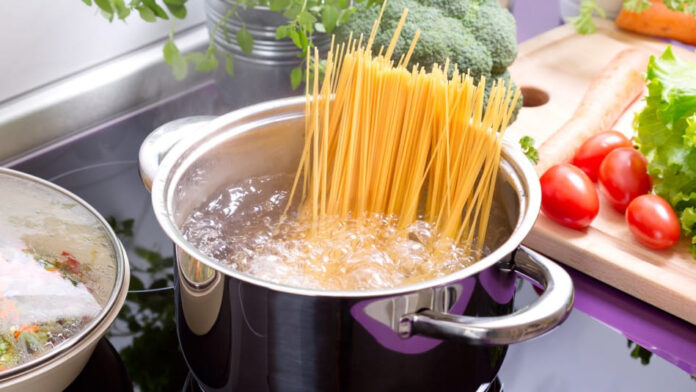
Start by filling a large pot with generously salted water. Place it on high heat and bring it to a vigorous, rolling boil. This step is crucial, as a rolling boil ensures that the water temperature remains high when the pasta is added. It prevents the cooking process from stalling, which can lead to uneven cooking.
Adding Pasta and Stirring Properly
Once the water is boiling, it’s time to add pasta. Gently lower the pasta into the pot, being careful with long strands like spaghetti to avoid breaking them. Immediately stir the pasta with a wooden spoon to prevent sticking. Stir again after two to three minutes to ensure even cooking.
Timing Your Pasta: Using Package Instructions and Personal Judgment
While package instructions provide a good starting point, they should not be the only guide. Set a timer for two to three minutes less than the suggested cooking time. For example, if the package states a cooking time of 10 minutes, start tasting at 8 minutes. This will help you achieve that perfect texture.
Different pasta shapes have varying cooking times. Dried ribbons like linguine and spaghetti typically take 8 to 10 minutes, while thicker shapes like penne require 10 to 12 minutes. Fresh pasta cooks much faster, usually in just 3 to 5 minutes.
It’s important to trust your taste buds over the timer. Factors like altitude, pot size, and pasta brand can affect cooking time. Avoid stepping away from the pot, as the difference between perfectly al dente and overcooked can be as little as one minute. Remember, pasta continues to cook slightly after draining, so remove it from the water just before it reaches the ideal texture.
By consistently following these step-by-step instructions, anyone can enjoy perfectly cooked pasta every time.
How To Cook Pasta Al Dente: Techniques to Check for Perfect Texture
Determining the right texture for pasta is a skill that can significantly enhance any dish. Knowing when pasta is perfectly cooked is essential for achieving that delightful al dente experience. There are several techniques to ensure the pasta is just right, combining taste, visual cues, and tactile feedback.
Tasting the Pasta
Tasting is the most direct and reliable method to check if pasta is cooked to perfection. Cooks should fish out a piece of pasta, allow it to cool for a moment, and then bite into it. Al dente pasta should be tender yet firm, offering a pleasant resistance without any crunchiness.
Using Visual Indicators and Cutting Pasta in Half
A visual trick involves cutting a thicker tubular pasta, like rigatoni, in half to examine the center. A faint white dot or ring indicates that the starch is not fully broken down, signaling perfectly cooked pasta. The ideal white center should be about one-third to three-quarters of the pasta’s interior.
As pasta cooks, it changes from a darker, more opaque appearance to a paler, plumper look. This visual change is a good indicator of doneness.
Feeling the Pasta with a Spoon
The spoon-feel technique is another effective method. When stirring with a wooden spoon, undercooked pasta feels heavy against the spoon. Properly cooked pasta, however, feels lighter and barely hits the spoon. This tactile feedback helps gauge doneness.
These techniques work together, and experienced cooks often use a combination of tasting, visual inspection, and tactile feedback to determine doneness. It’s important to check the pasta a few minutes before the package instructions suggest, as the difference between perfectly cooked and overcooked can be just one or two minutes.
Remember, pasta cooked al dente will continue to cook slightly when mixed with sauce. Therefore, it should be removed from the boiling water slightly earlier than the final desired texture. Mastering these checking techniques gives home cooks the confidence to rely on their own judgment rather than timers alone.
| Technique | Description |
|---|---|
| Tasting | Retrieve a piece, cool slightly, and bite to check for firmness. |
| Visual Inspection | Cut a piece in half to look for a faint white dot indicating doneness. |
| Spoon-Feel | Stir with a spoon to assess weight; lighter pasta is closer to being done. |

Common Mistakes to Avoid When Cooking Pasta Al Dente
Cooking pasta perfectly requires attention to detail. Even seasoned cooks can fall into common traps that lead to disappointing results. Recognizing these mistakes is the first step toward consistently achieving that perfect texture.
One of the most frequent errors is not using enough water. When there isn’t enough water, pasta can become sticky and unevenly cooked. It’s essential to use a large pot filled with plenty of water to allow the pasta to move freely. This prevents clumping and ensures even cooking.
Another common myth is adding olive oil to the water. Many believe this prevents sticking, but it actually creates a barrier that hinders sauce from adhering to the pasta later. It’s better to focus on proper cooking techniques instead.
Breaking long pasta shapes, like spaghetti, before cooking is also discouraged. This practice is considered poor in authentic Italian cooking and can affect the overall eating experience. Long strands should be left intact to maintain their texture and flavor.
Overcooking is a frequent mistake, often caused by relying solely on package instructions. Cooking times can vary based on many factors, including the type of pasta and the pot used. Always start tasting a few minutes before the recommended time to ensure the pasta is cooked just right.
Rinsing cooked pasta under cold water is another misstep, unless preparing a cold pasta salad. Rinsing washes away the starch that helps sauces cling to the pasta. This can lead to a less flavorful dish.
Additionally, not reserving a cup of starchy pasta water before draining is a missed opportunity. This water is valuable for adjusting sauce consistency and can help emulsify sauces for better flavor.
Letting drained pasta sit too long before combining it with sauce can also lead to stickiness. Instead, finish cooking the pasta in the sauce for the last couple of minutes. This ensures the pasta absorbs the flavors and maintains its ideal texture.
Lastly, using a pot that is too small restricts the pasta’s movement, resulting in uneven cooking and a gummy texture. Always opt for a larger pot to give your pasta the space it needs.
By being aware of these common pitfalls, cooks can improve their pasta cooking habits significantly. Implementing these tips will lead to consistently delicious, perfectly cooked pasta every time.
The Benefits of Cooking Pasta Al Dente: Flavor, Texture, and Health
Embracing the art of cooking pasta can lead to a multitude of benefits for both flavor and health. Cooking pasta in a way that maintains its al dente texture not only enhances the overall dining experience but also contributes positively to one’s well-being.
First, the flavor of al dente pasta is truly remarkable. When cooked properly, it clings to sauces rather than sliding off. This creates a more cohesive dish where every bite is infused with rich flavors. The pasta absorbs the sauce effectively, resulting in a harmonious blend of tastes.
Next, the texture of al dente pasta is superior. It offers a pleasant chewiness that makes each meal more satisfying. This delightful resistance enhances the eating experience, encouraging diners to savor their food.
From a health perspective, al dente pasta has significant advantages. It has a lower glycemic index compared to overcooked varieties. This helps maintain steady blood sugar levels, making it a better choice for those mindful of their health.
Moreover, al dente pasta digests more slowly, providing sustained energy. This contrasts with overcooked pasta, which can lead to rapid spikes in blood sugar. By choosing the right cooking method, individuals can enjoy a meal that not only tastes good but also supports their energy needs throughout the day.
Additionally, cooking pasta al dente retains more of its nutritional content. It releases less starch into the cooking water, preserving its flavor and nutrients. This is crucial for anyone looking to maximize the health benefits of their meals.
Al dente pasta also maintains its structural integrity, allowing it to hold up better when combined with hearty sauces and ingredients. This characteristic is essential for creating well-balanced dishes that are visually appealing and delicious.
Finally, enjoying pasta the authentic Italian way connects home cooks to centuries of culinary tradition. The benefits of al dente extend beyond the plate, as it makes leftovers more appealing, preventing them from becoming mushy when reheated.
Once cooks experience the flavor, texture, and health advantages of al dente pasta, they will never want to return to overcooked varieties. Cooking pasta in this manner is a simple change that yields significant improvements in the overall quality of any dish.

Finishing Touches: Combining Pasta with Sauce for Best Results
The final steps in preparing pasta can make all the difference in achieving a restaurant-quality dish. Once the pasta reaches that perfect al dente stage, it’s essential to handle it correctly for the best flavor integration.
Instead of simply draining the pasta and pouring sauce over it, the ideal method is to toss the pasta directly into the pan with the sauce. This allows the two to cook together for one final minute. This technique ensures that the pasta absorbs the sauce’s flavors, making every bite delightful.
Before draining, remember to reserve a cup of starchy pasta water. This liquid is crucial for thinning the sauce if needed and helps in emulsifying it, creating a silky texture that clings to every piece of pasta.
Let the drained pasta steam dry for a minute or two before mixing it with the sauce. If you’re finishing pasta in a rich sauce like Alfredo or arrabbiata, it’s best to remove it from the boiling water slightly earlier than the al dente mark. This final minute in the pan is when the kitchen starts to smell irresistible and the dish comes together perfectly.
- Combining pasta with sauce in the pan creates a more integrated and flavorful dish.
- Transfer al dente pasta directly from boiling water into the pan with the sauce for approximately one final minute of cooking.
- Reserving a cup of starchy pasta water is vital for adjusting sauce consistency and achieving a silky texture.
- The starchy water helps the sauce cling to the pasta, providing that restaurant-quality finish.
- Remove the pasta from boiling water slightly earlier if it will finish cooking in the sauce.
- The last minute of cooking allows the pasta to absorb the sauce flavors, resulting in a cohesive dish.
- This technique works for all types of recipes, from simple tomato-based sauces to creamy Alfredo and hearty meat ragùs.
- Adjust sauce consistency using reserved pasta water, adding it a splash at a time until the desired texture is achieved.
- Letting the pasta steam dry briefly after draining helps the sauce adhere better, preventing a watery dish.
- This finishing touch is the secret step that elevates home-cooked pasta from good to exceptional.
| Step | Description |
|---|---|
| 1 | Transfer pasta directly from boiling water to the pan with sauce. |
| 2 | Cook together for one final minute to integrate flavors. |
| 3 | Reserve starchy pasta water before draining for sauce adjustment. |
| 4 | Let drained pasta steam dry for better sauce adherence. |
Conclusion
Perfecting the art of pasta preparation can transform everyday meals into extraordinary experiences. Cooking it al dente is not just a technique; it’s a culinary secret that enhances flavor and texture. This method benefits your health as well, offering a lower glycemic index and better digestion.
Remember to use plenty of salted water and taste frequently to achieve that perfect bite. These tips apply to all pasta shapes, from spaghetti to penne. With practice, anyone can master this skill and impress family and friends at dinner.
Exploring new recipes with confidence will bring joy to your cooking journey. Sharing al dente pasta at the dinner table creates memorable moments. Invest time in this technique, and you’ll never want to return to overcooked pasta again.
For more insights into the science of pasta, check out this resource.