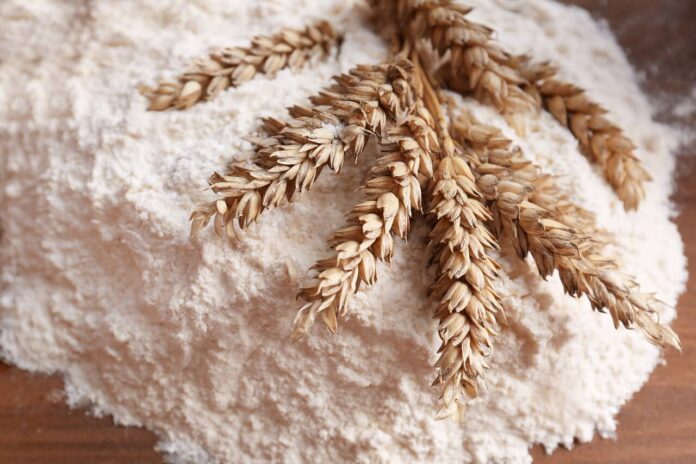
Wheat flour and whole wheat flour may sound almost the same, but they behave very differently in dough. One gives a lighter texture, a milder taste and a softer crumb. The other brings more flavor, more fiber and a denser structure.
The difference starts inside the wheat kernel. A whole grain has three edible parts: bran, germ and endosperm. Whole wheat flour uses all three. Regular wheat flour, often sold as refined white flour or all-purpose flour, is mostly made from the endosperm after the bran and germ have been removed.
That small milling difference changes almost everything: color, flavor, nutrition, shelf life, dough strength, water absorption and baking results. It also matters for pasta, bread, pizza, cakes and homemade doughs.
As we shared in our guide to fresh egg pasta, the dough depends on flour that can roll thinly and stay flexible. Whole wheat flour can be used there too, but it needs a different approach.
The Basic Difference Comes From The Wheat Kernel
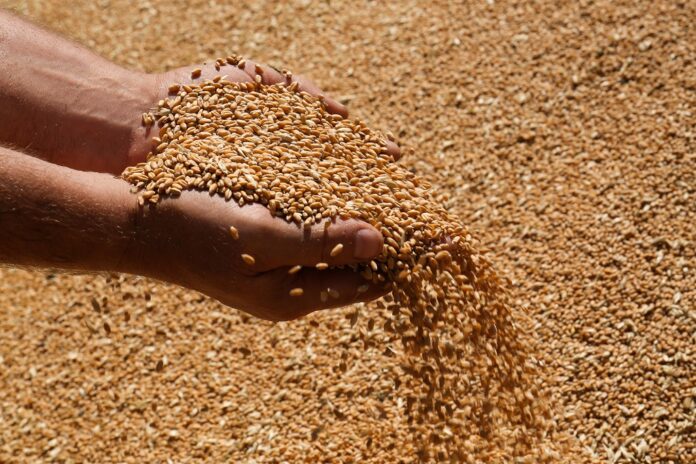
A wheat kernel has three main edible parts. The endosperm is the starchy center. The bran is the outer layer. The germ is the small inner part that can sprout into a new plant.
Whole wheat flour keeps the full kernel. Refined wheat flour removes the bran and germ during milling, leaving mainly the endosperm. That gives refined flour a paler color and finer texture, but it also removes much of the natural fiber and some nutrients. The USDA MyPlate grain guidance explains this split between whole grains and refined grains, while the Whole Grains Council describes whole grains as grains that keep the bran, germ and endosperm.
| Part Of The Wheat Kernel | What It Adds | Present In Whole Wheat Flour | Present In Refined Wheat Flour |
|---|---|---|---|
| Bran | Fiber, color, texture and a slightly earthy taste | Yes | Usually removed |
| Germ | Natural oils, vitamins, minerals and fuller flavor | Yes | Usually removed |
| Endosperm | Starch and protein for dough structure | Yes | Yes |
That is the cleanest way to understand the difference. Whole wheat flour uses the full grain. Refined wheat flour keeps the lighter, starchier center.
Why Refined Wheat Flour Feels Lighter
Refined wheat flour is lighter because the bran and germ are removed. Without those rougher grain parts, the flour feels finer, blends more smoothly with liquid and makes softer doughs.
That is why refined flour is used for many cakes, fresh pasta sheets, delicate pastries, white sandwich bread, pizza dough and sauces. It gives a clean texture and a neutral taste. It also stores longer because the germ, which contains natural oils, has been removed.
Many refined flours in the United States are enriched. Enrichment adds back certain nutrients, such as thiamin, riboflavin, niacin, folic acid and iron, under U.S. enriched flour rules. The federal regulation for enriched flour lists the required added nutrients.
Enrichment is useful, but it does not fully recreate whole wheat flour. Fiber and the original structure of the grain do not come back in the same way.
Why Whole Wheat Flour Feels Heavier
Whole wheat flour has more texture because it includes bran and germ. That gives it a deeper flavor and a slightly darker color. It also makes dough absorb more water.
In bread, whole wheat flour can make the crumb denser. In pasta, it can make dough more rustic and less silky. In cakes, it can make the texture heavier. That does not make it worse. It simply means it needs a different formula.
The bran in whole wheat flour can interrupt gluten development. Gluten gives dough stretch and structure. When bran is present, dough may tear more easily or feel less elastic. That is why many bakers and pasta makers use whole wheat flour in blends rather than using it alone.
| Flour | Texture | Flavor | Dough Behavior | Best Uses |
|---|---|---|---|---|
| Refined wheat flour | Fine and soft | Mild | Rolls and stretches easily | Cakes, pastry, white bread, pizza, fresh pasta |
| Whole wheat flour | Coarser and denser | Nutty and fuller | Absorbs more water and can feel firmer | Whole wheat bread, rustic doughs, biscuits, pancakes, hearty pasta blends |
Nutrition Difference: Fiber Is The Big Change
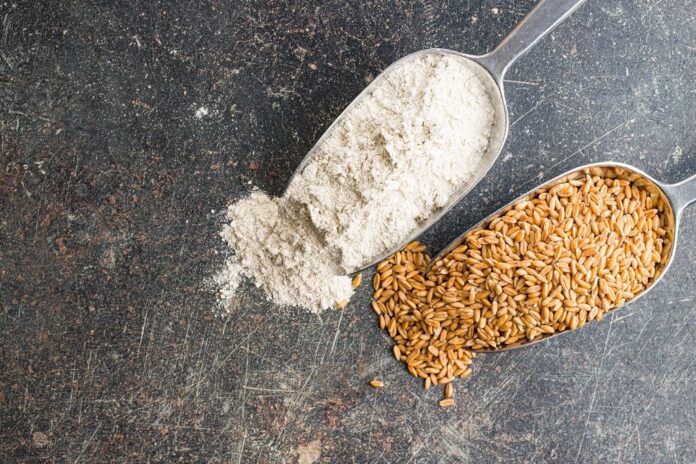
The biggest nutrition difference is fiber. Whole wheat flour keeps the bran, so it naturally has more fiber than refined wheat flour. It also keeps more naturally occurring minerals and plant compounds from the full grain.
The Harvard Nutrition Source describes whole grains as a full package that includes bran, germ and endosperm, with nutrients spread across those parts of the grain.
Refined wheat flour can still be part of normal cooking. The point is not that one flour is bad and the other is perfect. The better choice depends on the recipe, the texture you want and how the flour fits into the meal.
| Nutrition Point | Refined Wheat Flour | Whole Wheat Flour |
|---|---|---|
| Fiber | Lower | Higher |
| Texture | Lighter | Heavier |
| Flavor | Mild and neutral | Nutty, earthy and stronger |
| Shelf life | Longer | Shorter because the germ contains natural oils |
| Best everyday use | Soft doughs and delicate textures | Hearty breads, rustic baking and blended doughs |
Wheat Flour On A Label Does Not Always Mean Whole Wheat
This is where many shoppers get confused. On many ingredient labels, “wheat flour” usually means refined wheat flour unless the label says “whole wheat flour.”
Words such as wheat, multigrain, stone-ground, rustic or brown do not automatically mean the product is made from whole wheat flour. The ingredient list gives the clearer answer. Look for “whole wheat flour” or “100% whole wheat flour” near the beginning of the list.
The Whole Grains Council guidance page summarizes government label discussions around whole grain statements, and the practical lesson is simple: front labels can be vague, but ingredients are harder to hide.
Label Terms To Read Carefully
| Label Term | What It May Mean | What To Check |
|---|---|---|
| Wheat flour | Usually refined wheat flour | Look for the word “whole” |
| Whole wheat flour | Flour made from the full wheat kernel | Check if it is the first ingredient |
| 100% whole wheat | All wheat flour should be whole wheat | Still check sugar, salt and additives |
| Multigrain | Contains more than one grain | Those grains may still be refined |
| Made with whole grains | Contains some whole grain | May still contain mostly refined flour |
How They Behave In Bread
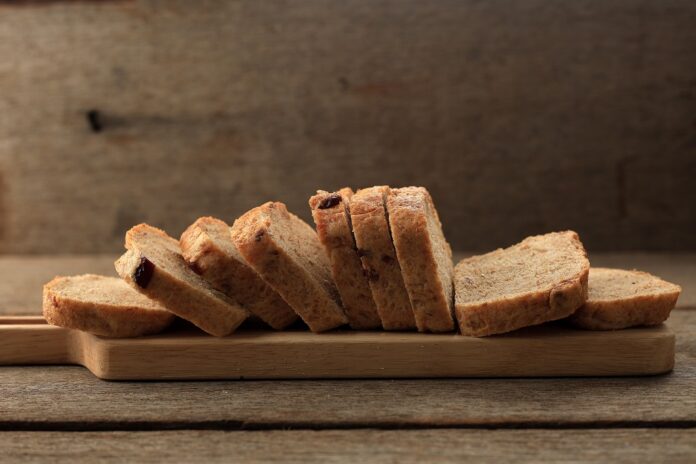
Refined wheat flour makes bread lighter and softer. Whole wheat flour gives bread more flavor, but it also makes dough denser and thirstier.
If you replace white flour with whole wheat flour cup for cup, the dough may feel dry. That happens because bran and germ absorb liquid. The loaf may also rise less because whole wheat dough does not stretch as easily.
Better Whole Wheat Bread Results
- Start by replacing 25% to 50% of refined flour with whole wheat flour.
- Add a little more water or milk to the dough.
- Rest the dough before kneading so the flour can hydrate.
- Use longer fermentation for better flavor and softer texture.
- Try white whole wheat flour for a milder taste.
For rustic breads, whole wheat flour works beautifully. For soft dinner rolls or very light sandwich bread, refined flour or a partial blend gives a gentler result.
How They Behave In Pasta

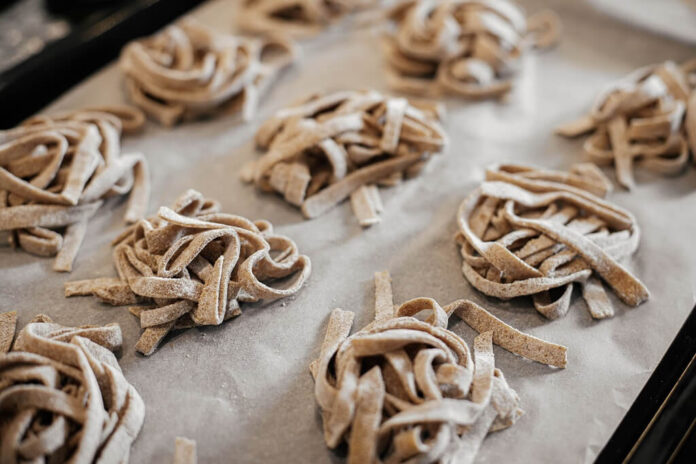
For pasta, refined wheat flour gives a smooth dough that rolls thinly. Whole wheat flour adds flavor, but it can make pasta rougher, firmer and more likely to tear if used alone.
That is why fresh pasta often uses soft refined flour, such as Italian tipo 00, especially for ravioli, tortellini and thin sheets. In our guide to semolina flour versus all-purpose flour for pasta, the same idea appears in another form: flour choice changes bite, texture and sauce grip.
Whole wheat flour can work very well in pasta when it is used with care. It is best in hearty ribbons, rustic sheets, soups and pasta served with strong sauces.
| Pasta Type | Better Flour Choice | Why |
|---|---|---|
| Ravioli | Refined soft wheat flour | Rolls thinly and seals cleanly |
| Tagliatelle | Refined flour or a partial whole wheat blend | Needs stretch but can handle more flavor |
| Pappardelle | Refined flour with 20% to 30% whole wheat | Wide ribbons work well with rustic flavor |
| Maltagliati | Whole wheat blend | Good for soups, beans and rough-cut pasta |
| Eggless firm pasta | Durum wheat semolina or semola rimacinata | Better bite and shape holding than ordinary whole wheat flour |
If you want whole wheat pasta at home, start with 70% refined flour and 30% whole wheat flour. That gives flavor without making the dough too difficult to roll.
How They Behave In Cakes, Pancakes And Biscuits
Refined wheat flour gives softer cakes, lighter pancakes and more tender biscuits. Whole wheat flour can make those foods heavier, but it also adds flavor.
For cakes, use whole wheat flour carefully. A full replacement can make the crumb dense. For pancakes, muffins and quick breads, whole wheat flour works more easily because those recipes already tolerate a heartier texture.
Easy Substitution Guide
| Recipe | Safe Whole Wheat Swap | Tip |
|---|---|---|
| Cakes | Up to 25% | Use fine whole wheat flour and avoid overmixing |
| Pancakes | 25% to 50% | Let batter rest before cooking |
| Muffins | 50% or more | Add a little extra liquid if batter feels thick |
| Biscuits | 25% to 40% | Keep butter cold and handle dough lightly |
| Bread | 25% to 100% | Increase hydration and give dough more time |
| Fresh pasta | 20% to 40% | Rest dough longer before rolling |
Storage: Whole Wheat Flour Spoils Faster
Whole wheat flour has a shorter shelf life because it includes the germ. The germ contains natural oils, and those oils can turn stale or rancid over time.
Refined flour lasts longer in the pantry because the germ has been removed. Whole wheat flour is better stored in an airtight container, away from heat and light. For longer storage, keep it in the refrigerator or freezer.
| Flour Type | Best Storage | Warning Signs |
|---|---|---|
| Refined wheat flour | Cool pantry in airtight container | Musty smell, insects, moisture clumps |
| Whole wheat flour | Fridge or freezer for longer storage | Bitter smell, stale taste, oily or rancid aroma |
Before using whole wheat flour, smell it. Fresh whole wheat flour should smell nutty and grain-like. If it smells bitter, sour or oily, replace it.
Can You Substitute Whole Wheat Flour For Wheat Flour?
Yes, but the result changes. Whole wheat flour absorbs more liquid and gives a denser texture. The safest method is to replace only part of the refined flour at first.
For bread, start with 25% to 50%. For pancakes and muffins, 50% works well. For pasta, 20% to 30% is a good starting point. For cakes and delicate pastry, stay lower unless the recipe was written for whole wheat flour.
View this post on Instagram
How To Adjust A Recipe
- Add a little more liquid if the dough feels dry.
- Rest dough or batter before judging texture.
- Expect a darker color and stronger flavor.
- Use a finer whole wheat flour for softer results.
- Blend with refined flour for better stretch.
Whole wheat flour is not just a healthier-looking version of white flour. It behaves like a different ingredient.
Which One Should You Choose?
Choose refined wheat flour when you want lightness, stretch and a mild flavor. Choose whole wheat flour when you want more grain flavor, more fiber and a heartier texture.
For Italian cooking, the answer depends on the dish. Fresh egg pasta usually prefers refined soft wheat flour. Rustic ribbons and country-style doughs can use whole wheat blends. Bread can go either way, depending on whether you want a soft loaf or a fuller grain flavor.
| Goal | Better Choice | Reason |
|---|---|---|
| Soft cake | Refined wheat flour | Gives a lighter crumb |
| Rustic bread | Whole wheat flour or blend | Adds flavor and fiber |
| Fresh ravioli | Refined soft wheat flour | Rolls thinly and seals well |
| Hearty tagliatelle | Refined flour with some whole wheat | Adds flavor while keeping the dough workable |
| Everyday pancakes | Blend of both | Balances softness and flavor |
| Long pantry storage | Refined wheat flour | Keeps longer |
For a classic pasta meal, refined flour still has a natural place. For example, tagliatelle al ragù Bolognese benefits from fresh ribbons that roll smoothly and hold sauce without becoming heavy. A small whole wheat blend can work, but the dough needs more rest and careful rolling.
FAQs
Bottom Line
The difference between wheat flour and whole wheat flour is not only color. Whole wheat flour keeps the bran, germ and endosperm. Refined wheat flour keeps mainly the endosperm, which gives it a lighter texture and longer shelf life.
For soft cakes, delicate pasta and light bread, refined wheat flour is easier to use. For fuller flavor, more fiber and rustic breads or pasta blends, whole wheat flour brings more character.
The best kitchen answer is to use both. Refined flour gives smoothness and structure. Whole wheat flour gives flavor and substance. Once you know how each one behaves, the choice becomes less about labels and more about the result you want on the plate.