The Perfect Swiss Wine for Every Occasion – Pairing Tips From a Wine Merchant
Wine and moments go hand-in-hand. The right bottle doesn’t just complement food – it enhances conversations, lifts moods, and leaves lasting impressions. Navigating the world of Swiss wines may seem overwhelming – partly because, as the official body Swiss Wine Promotion notes, less than 2% of the country’s production ever leaves its borders – but armed with a few tips, anyone can master the art of pairing for any occasion.
I’ve spent the better part of two decades selling, drinking, and arguing about these wines with growers from Aigle to Salgesch, and the longer I do it, the more I’m convinced that Switzerland produces some of the most food-friendly bottles in Europe. They are simply hiding in plain sight.
Key Points
- Lighter options like Chasselas work well with salads and seafood.
- Bold reds pair best with meats and rich dishes.
- Sparkling options elevate celebrations and starters.
- Outdoor events thrive with versatile and earthy reds.
- Choose versatile bottles for gifting to ensure crowd-pleasing results.
What Makes Swiss Wines Special?
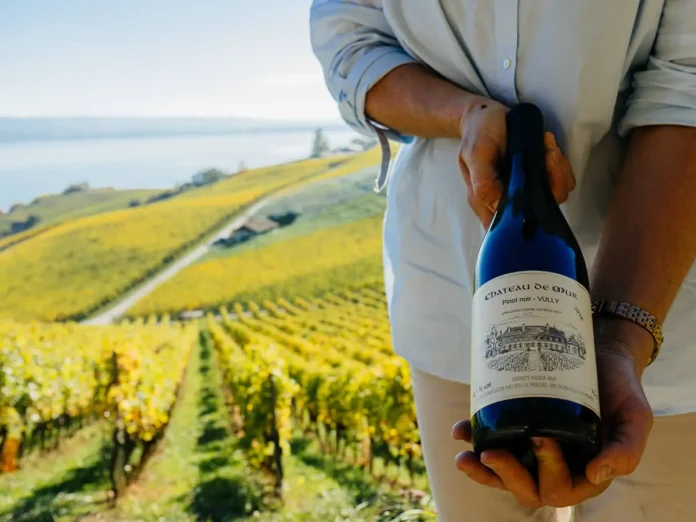
Swiss winemaking is as precise and artful as its iconic watches. From the stunning Lavaux terraces to the Valais region, the craft reflects a blend of tradition and modern innovation. This precision yields wines with distinct regional character.
The numbers tell part of the story. Switzerland farms only around 14,700 hectares of vines – roughly 0.2% of the world’s total – yet grows an astonishing 252 documented grape varieties across six wine regions, with 168 officially recognised under cantonal AOC rules. To put that in perspective, Bordeaux works largely with five red grapes. Switzerland’s vinous diversity per hectare is, quite genuinely, one of the highest in the world.
The unique climate, combining alpine and Mediterranean influences, plays a huge role. Varietals like Chasselas, Pinot Noir, and Gamay thrive here, but so do dozens of indigenous oddities you’ll find almost nowhere else – Cornalin, Humagne Rouge, Petite Arvine, Amigne, Heida, Completer. But it’s not just about the grapes-it’s about the passion of the producers.
The Club des Amateurs de Vins Exquis, or CAVE, celebrates these efforts. It’s not exclusive; it’s an invitation to everyone. Check out their collections at Cave SA
Their curated collections and passion for Swiss wines make it easy to find something exceptional.
It also helps to remember why these wines have stayed under the radar for so long. The Swiss themselves drink most of it – per capita consumption sits among the highest in the world – and as the long-time Swiss-Italian sommelier Paolo Basso (named Best Sommelier of the World in 2013) told reporters a few years ago, the new generation of growers “have studied viticulture and enology not just in Switzerland but also abroad, they travel widely and they enjoy discovering wines from other countries.”
That outward gaze, combined with deeply local terroirs, is what gives the best Swiss bottles a quiet, almost stubborn distinctiveness.
Why Swiss Wines Stand Out
- Small-scale production ensures quality over quantity. Most growers farm under 5 hectares, and many do every step by hand on slopes too steep for machines.
- Alpine terroirs produce crisp, mineral-rich flavors. Lavaux’s famous “three suns” – direct light, lake reflection, and heat radiating from stone walls – are recognised by UNESCO for their unique impact on ripening.
- Heritage blends with innovation to create unique profiles, from 11th-century terraces tended by Cistercian monks to organic and biodynamic estates that are reshaping the canon.
Light and Fresh Options for Casual Moments
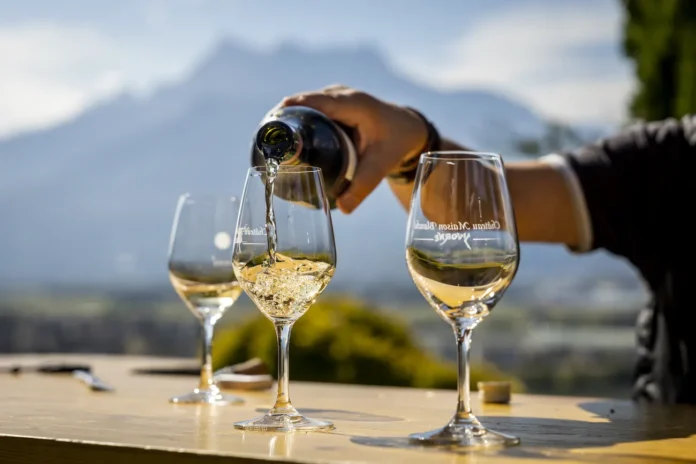
Casual moments call for easygoing wines. A sunny afternoon picnic or a relaxed Sunday brunch feels perfect with something light and refreshing. Chasselas, often referred to as the “quintessential Swiss white,” fits the bill. Its crisp acidity and floral notes make it an ideal choice.
A quick clarification, because customers ask me about this constantly: Chasselas and Fendant are the same grape. In Vaud and most other cantons it’s called Chasselas; in the Valais, where the name has been fiercely guarded since the 19th century, it’s called Fendant – a reference to the way the berries “split” (se fendre) instead of bursting when pressed between the fingers, as documented by the Valais Vine and Wine Museum.
James Beard Award-winning author Madeline Puckette at Wine Folly describes it as a variety that yields “fairly neutral wines that tend to showcase their origin more so than other grapes,” and that’s exactly its magic: it acts as a clear glass through which the soil speaks.
Pair Chasselas with light meals. A simple salad, grilled fish, or fresh goat cheese will bring out its best qualities. Pinot Noir, with its softer tannins, is another crowd-pleaser. It works wonderfully with charcuterie boards or mushroom dishes. The cooler the wine is served, the more its acidity registers on the palate – research on temperature and taste perception backs this up – so I always recommend a Chasselas around 8–10 °C and a fresh, light Pinot at 12–14 °C, never warmer.
Practical Pairing Examples
- Chasselas + Grilled Asparagus: Simple yet delightful. The wine’s low acidity won’t fight the vegetable’s sulphur compounds the way a Sauvignon Blanc would.
- Pinot Noir + Tomato Bruschetta: Adds balance to the acidity of tomatoes.
- Rosé + Chips: A surprisingly great combo for movie nights or lazy afternoons. Try an Œil-de-Perdrix from Neuchâtel – literally “partridge’s eye,” a copper-pink Pinot Noir rosé that has become a Swiss icon.
A personal favourite for warm weekends is the Chasselas “Le Morget” from Henri Cruchon in Vaud – the kind of wine I keep in the door of the fridge in summer. There’s also a real renaissance happening among Lavaux producers like Pierre-Luc Leyvraz, often called the “King of Chasselas” by the Swiss wine press for his work in Saint-Saphorin.
For everyday drinking, simpler labels from larger co-ops are usually under 20 CHF in Swiss supermarkets – the Wall Street Journal’s wine column has noted that most quality Swiss reds also retail in this range, which surprises people who assume Swiss wine is automatically expensive.
Impress at Dinner Parties
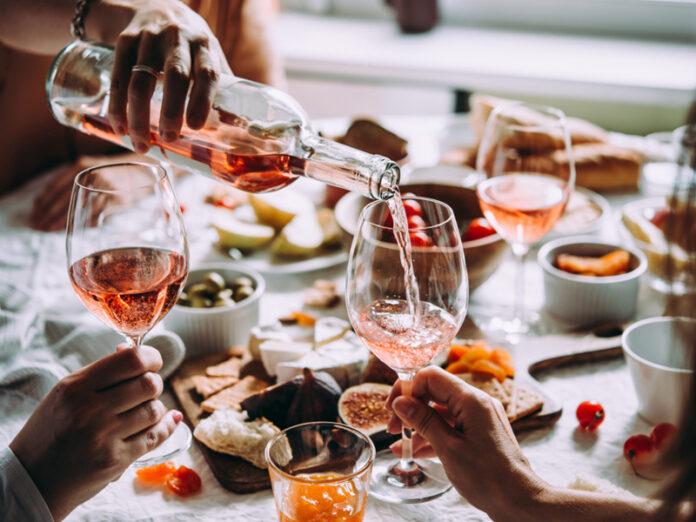
Dinner parties are where you show off your hosting skills, and nothing says sophistication like serving the perfect bottle. A hearty dish like beef stew or duck calls for a bold red, such as Merlot. Its robust flavors stand up well to rich foods.
For serious occasions, my honest preference is a top Ticino Merlot rather than the Bordelais ones most guests know. Ticino sits south of the Alps with a humid subtropical climate, and as the Swiss Wine Promotion notes, nearly 80% of the canton’s vineyards are planted with Merlot. The best examples – from producers like Christian Zündel, Daniel Huber, Vinattieri or Brivio – have a graphite, almost Right Bank Bordeaux density but with a brighter, alpine acidity. They make a 36-month-aged ribeye sing.
If the night involves cheese (and let’s be honest, how could it not?), consider Petite Arvine. It’s aromatic, with balanced acidity that complements creamy textures beautifully. Petite Arvine deserves a paragraph of its own.
It’s a Valais native that ampelographers have traced back to 1602, with notes of grapefruit, rhubarb, and – the giveaway – a savoury, almost salty finish. The producer cooperative Provins describes that salinity as the “signature” of the grape, and once you’ve learned to look for it, you’ll never miss it again. It is, in my opinion, one of the most underrated white wines in Europe.
For those fondue-filled evenings, stick with a dry Chasselas. Its crispness cuts through the richness, creating harmony on the palate. Switzerland Tourism’s official guidance agrees that for a half-and-half fondue, a Chasselas from the Trois-Lacs or Côte vaudoise “will work wonders” – the fruit contrasts the salt without amplifying acidity, which is what you want when there’s that much fat on the table.
Recommendations for Different Courses
- Appetizers: Sparkling or crisp whites like Chasselas, or a Heida from Visperterminen – grown at up to 1,100 metres, in what’s often cited as Europe’s highest vineyard.
- Main Courses: Bold reds like Gamaret or Merlot. With game meat, reach for a Cornalin or Humagne Rouge.
- Desserts: Sweet whites or a rare late-harvest Amigne from Vétroz, where the village uses a unique bee-symbol labelling system (one bee for dry, three for sweet) – worth knowing before you open the bottle blind.
Decant reds for at least 30 minutes before serving. It softens the tannins and brings out complex aromas. For older Chasselas Grand Crus from Lavaux – yes, white wines that can age 20–40 years, as Domaine Bovard openly states on its Médinette Dézaley Grand Cru technical sheet – the same 30-minute decant unlocks roasted almond, honey, and gunflint aromas that simply will not appear straight from the bottle. The first time I decanted a 12-year-old Dézaley for dinner guests, three people asked if it was an aged white Burgundy. It wasn’t.
Sparkling Selections for Celebrations
Celebrations demand sparkle. The effervescence of sparkling wines not only excites the palate but also adds a festive vibe to the event. Swiss sparkling options, particularly Blanc de Blancs, rival their French counterparts with finesse and complexity.
The traditional benchmark here is Mauler in Neuchâtel, producing méthode traditionnelle wines since 1829, and the under-the-radar grower-fizz scene in the Three Lakes region is genuinely exciting.
There’s also been a small but vocal Pet-Nat movement among younger Swiss winemakers – something that gets steady chatter on r/wine and other enthusiast forums whenever Swiss bottles come up – which I think is worth exploring if you like a slightly funky, lower-pressure sparkle. Just don’t expect to find these in your local supermarket abroad; Switzerland’s tiny export volume means most of this is allocated through small importers or carried home in a suitcase.
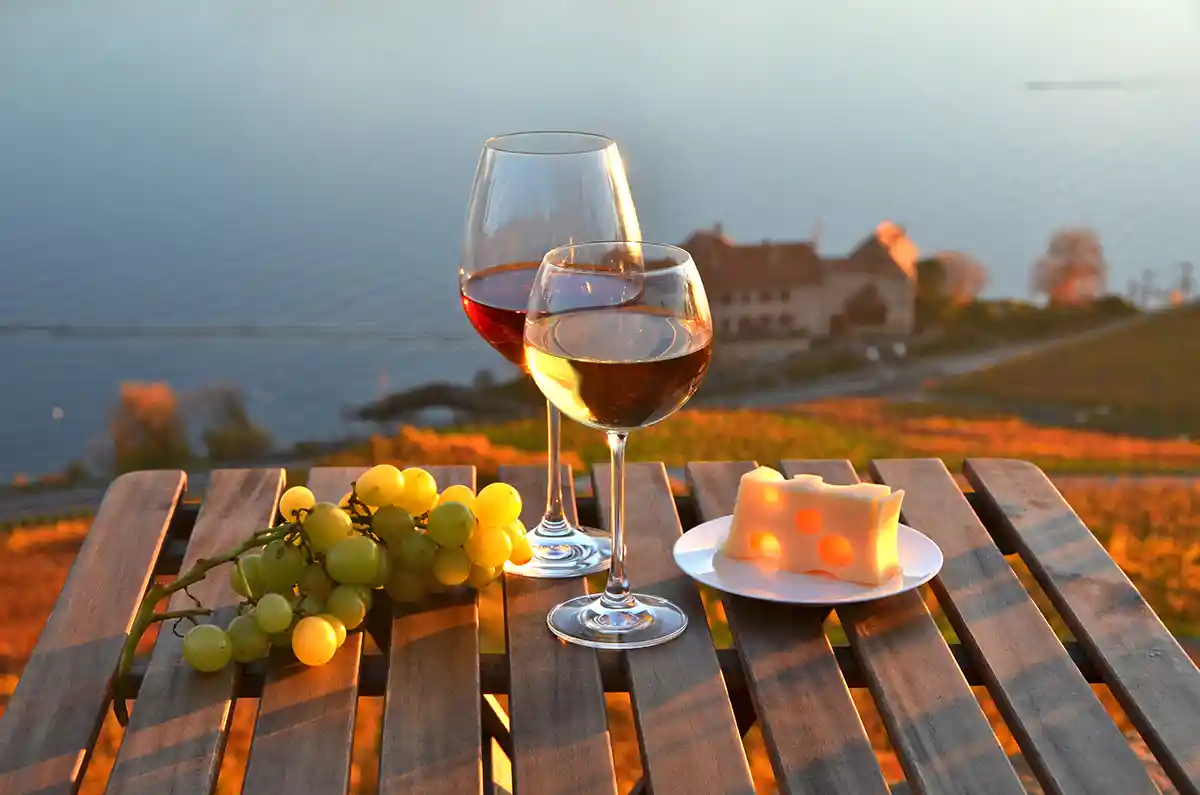
Pair your bubbly with lighter starters. Smoked salmon, oysters, or creamy cheeses make great companions. For those special toasts, keep a chilled bottle handy. Remember, the right glassware makes a difference-opt for flutes to retain the fizz longer, although I now prefer a small tulip-shaped white wine glass for anything with real complexity (you simply can’t smell a sparkling wine through a flute).
Key Benefits of Sparkling Wines
- Cleanses the palate between bites – the bubbles physically lift fat off the tongue, which is why Champagne with fish and chips remains an underrated pairing.
- Matches a wide variety of foods.
- Elevates any gathering with elegance.
Outdoor Events and BBQs
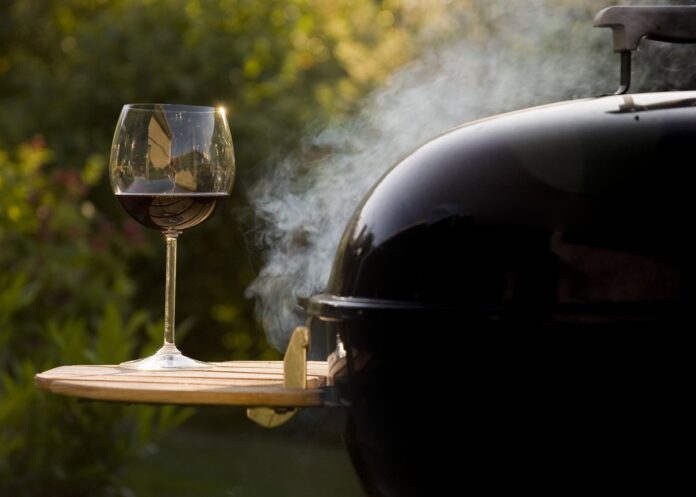
Grilled meats, smoky aromas, and vibrant side dishes call for versatile wines. Gamaret is a perfect red for BBQs. It has enough depth to hold its own against bold barbecue sauces but remains easy to enjoy in the open air.
A useful bit of trivia: Gamaret and its sibling Garanoir are both Swiss crossings of Gamay and Reichensteiner, developed at Agroscope Pully in the 1970s. They were bred specifically for the cool, damp Swiss climate – more disease-resistant than Gamay, with deeper colour and firmer tannins. The result is a peppery, blackcurrant-driven red that handles charred meats far better than its parent ever could. For larger gatherings, the classic Dôle – a blend of at least 85% Pinot Noir and Gamay, the oldest red blend in the Valais – is hard to beat, and it usually comes in at a friendly price point.
White lovers should consider Sauvignon Blanc. Its bright acidity and herbaceous notes complement grilled fish or marinated veggies. For a touch of novelty, try a sparkling rosé—it pairs well with everything, from grilled chicken to veggie skewers.
Tips for Outdoor Pairings
- Bold Sauces: Look for reds with fruit-forward profiles like Gamay. Slightly chilled (around 13 °C) it becomes the best red wine for warm afternoons – cold temperatures mask sweetness and emphasise acidity, which is exactly what you want next to barbecue glaze, as the Virginia Tech Enology Lab notes in its food and wine pairing guide.
- Seafood or Herb-Based Dishes: Crisp whites like Sauvignon Blanc work wonders. A Geneva Sauvignon from a producer like Domaine Les Perrières punches well above its price.
- Desserts: Sweet whites like Amigne add a nice contrast to smoky flavors. Try also a late-harvest Marsanne (called Ermitage in Valais) with stone-fruit desserts.
One small piece of merchant advice from years of stocking events: never serve red wine outdoors above 18 °C. On a 28 °C day in direct sun, a glass left on a picnic table will hit serving temperature in under 90 seconds and turn flabby fast. A cooler bag and a small ice bucket – even for reds – is the difference between a wine that sings and a wine that sulks.
Gifting Like a Pro
Versatility is your ally. Pinot Noir and Chasselas are safe bets—they’re elegant, approachable, and universally liked. If you want to gift something that will get genuine attention from a wine-savvy friend, look toward the Bündner Herrschaft in eastern Switzerland. Decanter has called the region “Switzerland’s answer to Burgundy”, and producers like Daniel & Martha Gantenbein are arguably the most internationally celebrated names in the Swiss canon – their Pinot Noir routinely scores 94+ points from Robert Parker’s Wine Advocate and Falstaff. They are, frankly, among the very few Swiss producers anyone outside the country has heard of.
For added flair, focus on unique finds. A wine from a lesser-known region or a limited-edition vintage makes the gift feel special. Personal touches like a story about the vineyard or a pairing suggestion add an extra layer of thoughtfulness. A small handwritten card with the producer’s history – the Gantenbeins started in 1982 with no customers, the Bovard family has farmed Lavaux since 1684 – does more for the recipient than any expensive ribbon.
Why Wine Makes a Great Gift
- Universally appreciated across cultures.
- Offers a chance to share experiences.
- Easy to personalize with the right choice.
Exploring Swiss Varietals
Switzerland has hidden gems waiting to be discovered. Humagne Rouge offers earthy, peppery notes that pair beautifully with game meats. Amigne, a white grape, delivers honeyed, tropical flavors perfect for desserts or foie gras.
If you only remember three names from this whole article, make them Cornalin, Heida, and Completer.
Cornalin, sometimes labelled “Rouge du Pays,” is the historical red of the Valais. The Valais Vine and Wine Museum traces its first written mention to 1313. It nearly disappeared after the phylloxera crisis of the early 20th century and was rebuilt almost from scratch in the 1990s by a handful of stubborn growers. The wine is deep, structured, and full of dark cherry, leather, and white-pepper notes – think Nebbiolo with a Swiss accent. It is the bottle I open when I want to convert a sceptic.
Heida (also called Païen, the local name for Savagnin) is grown at altitude on the south-facing slopes of Visperterminen, often cited as Europe’s highest vineyard at around 1,100 metres. The wines combine citrus and exotic-fruit intensity with a tonic, structural backbone that handles richly sauced fish and aged Alpine cheese with ease.
Completer is the proper outlier. First mentioned in 1321 in Malans, its name comes from completorium – the monks’ final prayer of the day, after which a single silent glass was permitted. By the late 20th century it covered barely any land. Decanter reports it’s now back to roughly 10 hectares, with quince, green apple, and racy acidity that promises decades of ageing. It’s a wine geek’s wine – the kind of bottle that, served blind, will leave even experienced tasters genuinely puzzled.
Trying lesser-known varietals broadens your palate. It also gives you a deeper appreciation for the art behind winemaking. Keep an open mind, and don’t hesitate to ask your merchant for suggestions.
Pro Tips for Exploring
- Start with tasting flights to sample a variety – many Lavaux caveaux charge 15–25 CHF for a flight of six.
- Take notes on flavors and pairings you enjoy. Photograph the label and the bottle; it’s easier to find again than you’d think.
- Ask about the story behind the bottle—it makes the experience richer. The best way to learn Swiss wine is to spend an hour at a producer’s table.
Common Questions About Swiss Wine
Is Swiss wine expensive? Entry-level bottles in Swiss supermarkets are roughly 15–25 CHF; very good village wines run 25–45 CHF; the top Grand Crus and cult producers (Gantenbein, Bovard Médinette, top Cornalins) sit in the 60–200 CHF range. Outside Switzerland, expect to pay a 30–50% premium because of small import volumes.
Why is Swiss wine so hard to find abroad? Because the Swiss drink almost all of it themselves. Per capita consumption is among the world’s highest, and small producers have no incentive to navigate complex export regulations when their cellars sell out at home. As one wine critic wryly put it, “The Swiss are a thirsty lot and they drink 98% of their own wine.”
How long can Swiss wine age? Most Chasselas under 25 CHF should be drunk within 2–3 years. Top Lavaux Grand Crus and Valais reds like Cornalin and Humagne Rouge will age beautifully for 10–20 years, and great Dézaley Chasselas can go significantly longer.
What’s a good Swiss wine to start with? A village-level Chasselas from Lavaux (Epesses, Saint-Saphorin, or Villette appellations), a Pinot Noir from Graubünden, and a Merlot del Ticino DOC. That triangle gives you a fast, fair sense of why this little country punches so far above its weight.
Wrapping Up
The perfect wine doesn’t have to be complicated. Focus on the mood of the event, the flavors on the table, and the people you’re sharing it with. Whether it’s a chilled Chasselas for a casual lunch or a bold Gamaret for a backyard BBQ, there’s always a bottle ready to elevate the occasion.
Explore varieties you haven’t tried before, as they can add a surprising twist to your gatherings. Keep a few versatile options on hand to cover spontaneous dinners or impromptu celebrations. Most importantly, let your personal taste guide you—there’s no wrong choice when you enjoy what’s in your glass. Cheers!