
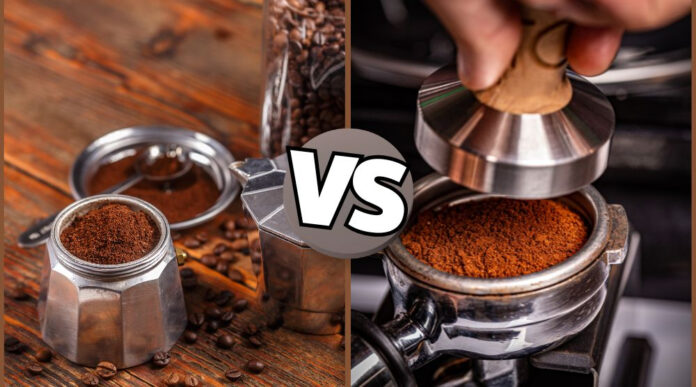
The debate between espresso and moka pot coffee has captured the hearts of many coffee lovers. Both methods create strong, concentrated brews, yet they do so through different processes. This article aims to clarify the distinctions between these two popular brewing techniques.
Many enthusiasts often confuse moka pot coffee with true espresso. This confusion is often fueled by marketing terms like “stovetop espresso maker” used by brands such as Bialetti. Understanding the mechanics of each method is crucial for anyone looking to elevate their coffee experience.
In this guide, readers will discover the key differences in pressure, extraction, and flavor. While both methods yield a robust cup, only one produces authentic espresso with its signature crema layer. This article is designed for U.S. coffee enthusiasts seeking clear, factual information to enhance their daily coffee routine.
As we delve into definitions, brewing techniques, and taste comparisons, we invite you to explore the nuances of espresso and moka pot coffee. Let’s find out which method aligns best with your taste preferences and lifestyle.

Understanding Espresso and Moka Pot Coffee: What Sets Them Apart?
Coffee enthusiasts often find themselves torn between the unique characteristics of espresso and moka pot coffee. Each brewing method offers distinct flavors and experiences, making it essential to understand their differences.
Defining True Espresso: Pressure, Grind, and Crema
True espresso is defined by three essential components:
- 9 bars of pressure
- Water temperature between 90-95°C
- Finely ground, tamped coffee that creates a dense puck for extraction
The term ‘espresso’ originates from the Latin word ‘express’ and the Italian ‘pressed out.’ This reflects the method of forcing pressurized hot water through coffee grounds, resulting in a concentrated shot with a thick, golden crema layer. The crema forms when carbon dioxide in the beans dissolves and emulsifies with soluble oils, trapping aromas and enhancing the coffee’s texture.
What is Moka Pot Coffee? Mechanics and Brewing Basics
The moka pot is a stovetop brewer invented by Alfonso Bialetti in 1933. It consists of three chambers:
- A bottom boiler for water
- A middle filter basket for ground coffee
- A top chamber for collecting the brewed coffee
During brewing, water in the sealed lower chamber boils, generating steam pressure of about 1 bar. This pressure forces hot water upward through the coffee grounds into the collection reservoir. The brewing temperature can exceed 100°C, which may lead to over-extraction and bitterness if not managed properly.
Common Misconceptions: Is Moka Pot Coffee Espresso?
Many people mistakenly believe that moka pot coffee is the same as espresso. While moka pots are often marketed as ‘stovetop espresso makers,’ they do not reach the 9 bars of pressure required for true espresso extraction. This fundamental difference affects the flavor and intensity of the coffee produced.
Furthermore, the grind size for espresso must be very fine and uniform to allow proper extraction at high pressure. In contrast, moka pots work best with a medium-fine grind that is slightly coarser. Understanding these differences is crucial for any coffee enthusiast seeking to master either brewing method at home.
| Characteristic | Espresso | Moka Pot Coffee |
|---|---|---|
| Pressure | 9 bars | 1 bar |
| Brewing Temperature | 90-95°C | Can exceed 100°C |
| Grind Size | Very fine | Medium-fine |
| Crema | Yes | No |
| Flavor Intensity | Very concentrated | Strong, but less concentrated |
Brewing Techniques Compared: How Espresso and Moka Pot Methods Differ
Understanding the nuances between brewing methods is essential for any coffee lover. Each technique offers unique characteristics that impact the final cup. This section will delve into the critical differences between espresso and moka pot coffee, focusing on pressure levels, water temperature control, grind size, and equipment design.
Pressure Levels and Their Impact on Extraction
Pressure plays a crucial role in coffee extraction. Espresso machines generate between 8 to 10 bars of pressure using electric pumps. This high pressure forces water through finely ground coffee, resulting in a concentrated shot in just 20 to 30 seconds.
In contrast, moka pots produce only 1 to 1.5 bars of steam pressure. This lower pressure leads to a longer extraction time of 2 to 3 minutes. Consequently, moka pot coffee is strong but less concentrated than true espresso.
Water Temperature Control and Brewing Time
Water temperature is another vital factor. Espresso machines maintain a consistent temperature of 90 to 96°C during extraction. This precision helps to avoid bitterness and ensures optimal flavor extraction.
Moka pots, however, start with boiling water at around 100°C. As the brewing progresses, the temperature can rise, increasing the risk of over-extraction and bitterness. This lack of control can significantly affect the final taste of the coffee.
Grind Size and Coffee Preparation Requirements
Grind size is essential for both brewing methods. Espresso requires a very fine, uniform grind to create the necessary resistance against the high pressure. This fine grind, combined with proper tamping, ensures a rich extraction.
Moka pots, on the other hand, work best with a medium-fine grind. This slightly coarser grind allows water to flow through the coffee grounds without clogging, leading to a balanced brew without the need for tamping.
Equipment Design: Espresso Machines vs. Moka Pots
The design of the brewing equipment also varies significantly. Espresso machines are complex devices that consist of a pump, boiler, grouphead, and portafilter. Many models even include a steam wand for frothing milk.
Moka pots are much simpler, featuring a three-chamber design made from aluminum or stainless steel. This straightforward design makes them portable and easy to use, unlike the more intricate espresso machines that require more space and maintenance.
| Characteristic | Espresso Machine | Moka Pot |
|---|---|---|
| Pressure | 8-10 bars | 1-1.5 bars |
| Brewing Time | 20-30 seconds | 2-3 minutes |
| Water Temperature | 90-96°C | Starts at 100°C |
| Grind Size | Very fine | Medium-fine |
| Design Complexity | Complex | Simple |

Taste and Flavor Profiles: Experiencing Espresso and Moka Pot Coffee
Exploring the flavor profiles of different coffee brewing methods reveals unique experiences for enthusiasts. Each method, whether it’s the espresso machine or the moka pot, brings distinct characteristics to the cup. Understanding these differences can enhance your coffee journey.
Flavor Intensity and Concentration Differences
When comparing flavor intensity, espresso stands out as significantly more concentrated. It can be 5 to 8 times stronger than standard drip coffee. This powerful brew delivers a complex shot with balanced acidity and pronounced sweetness when extracted correctly.
On the other hand, moka pot coffee is about 2 to 3 times stronger than drip coffee. It offers a bold cup with deeper, darker notes. However, it can lean toward bitterness if over-extracted due to high brewing temperatures.
Texture and Mouthfeel: Crema and Body
The texture of espresso is one of its defining features. The high-pressure extraction emulsifies oils and solubles, resulting in a thick, syrupy body that coats the palate. This creates a rich mouthfeel that many coffee lovers cherish.
Moka pot coffee, in contrast, has a thinner, medium-bodied texture. While it may occasionally produce a thin layer of crema, it will not match the richness of true espresso crema. This difference in texture plays a significant role in the overall drinking experience.
Aroma and Aftertaste Characteristics
Aroma is another crucial aspect where these two methods diverge. Espresso releases an intense bouquet, with floral, fruity, or chocolatey notes amplified by the pressurized brewing process. In contrast, moka pot coffee often has a richer, sometimes smoky aroma.
Aftertaste is equally important. Espresso leaves a persistent, complex finish that evolves on the palate. Moka pot coffee tends to have a straightforward bitterness that some drinkers find appealing. This can create a bold cup that resonates with those who prefer a more robust flavor.
Choosing the right beans can also impact the final result. Light roasts may be challenging in a moka pot due to high heat, while espresso machines can highlight nuanced flavors across roast levels. The concentrated nature of espresso means that even small changes in grind, dose, or extraction time can dramatically alter the flavor profile.
In summary, personal taste preferences play a decisive role in choosing between these two brewing methods. Those seeking a quick, strong coffee may prefer moka pot coffee, while those craving a layered, café-quality experience will likely gravitate toward espresso.
| Characteristic | Espresso | Moka Pot Coffee |
|---|---|---|
| Flavor Intensity | 5-8 times stronger than drip coffee | 2-3 times stronger than drip coffee |
| Texture | Thick and syrupy | Thinner, medium-bodied |
| Crema | Rich, golden layer | Rarely produced |
| Aroma | Intense and varied | Rich and sometimes smoky |
| Aftertaste | Complex and evolving | Straightforward bitterness |
Equipment, Cost, and Accessibility: What You Need to Brew
When it comes to brewing coffee at home, the choice between equipment can greatly influence your experience. The initial investment, ongoing costs, and the space required for each method are key factors to consider.
Initial Investment and Maintenance Costs
A quality moka pot from brands like Bialetti typically costs between $20 and $50. This makes it an accessible option for those wanting strong coffee at home without a hefty financial commitment.
In contrast, espresso machines start around $200 for basic models. High-end machines can exceed $2,000, especially for prosumer equipment that offers precise temperature and pressure controls. This represents a significant upfront cost for those interested in espresso.
Moreover, the hidden costs of espresso can add up. A proper burr grinder is essential and can range from $150 to $500 or more. Additional accessories like a tamper, digital scale, and frothing pitcher can add another $100 to $300 to your total investment.
Space and Energy Considerations
Moka pots are compact and portable, fitting easily in a drawer or suitcase, making them ideal for small kitchens or travel. In contrast, espresso machines require permanent counter space and often need clearance for the steam wand and water reservoir.
Energy consumption also varies. Moka pots use a stovetop or portable heat source, drawing minimal energy. Espresso machines, however, consume moderate to high electricity to heat boilers and maintain temperature during brewing.
Long-term Upkeep and Usability
In terms of maintenance, moka pots are straightforward. They require only occasional gasket replacements and simple cleaning with warm, soapy water. On the other hand, espresso machines need regular backflushing, descaling, and part replacements, such as grouphead gaskets and shower screens.
A unique option is the 9Barista, a stovetop espresso maker that uses a patented double-boiler system to brew true espresso at 9 bars of pressure. However, it comes at a premium price of £559.
For consumers in the United States, moka pots offer unbeatable value for money. In contrast, espresso machines cater to those willing to invest in a hobby with higher maintenance demands. Ultimately, budget, space, and willingness to maintain equipment are critical factors when choosing between these two brewing methods for home use.

Practical Brewing Insights: Daily Use, Cleaning, and Learning Curves
Daily coffee routines can greatly vary based on the brewing method chosen. Understanding how each method operates can enhance your coffee experience. This section will explore the ease of use, cleaning requirements, and how each method fits into different lifestyles.
Ease of Use and Brewing Time Comparison
The moka pot is known for its simplicity. Brewing typically takes about 4-5 minutes, requiring minimal attention once started. Here’s a quick overview of the moka pot process:
- Setup takes 1-2 minutes: fill the boiler, load the filter basket with grounds, and assemble.
- Brewing on the stove lasts 3-4 minutes, allowing for multitasking.
- Total time from start to cup is around 6-10 minutes.
In contrast, the espresso process is more involved. After a 5-30 minute warm-up, the barista must:
- Grind the coffee, dose, distribute, tamp, and monitor.
- Extraction takes 25-30 seconds, requiring constant attention.
- Active time per shot is roughly 2-3 minutes.
Cleaning and Maintenance Requirements
Cleaning routines differ significantly between the two methods. A moka pot requires:
- Cooling down, disassembling, and washing with warm, soapy water.
- Many models are dishwasher safe, making cleanup easy.
On the other hand, espresso machines demand more care:
- Regular backflushing with detergent and grouphead brushing.
- Periodic descaling to prevent mineral buildup.
While moka pot maintenance is infrequent and low-cost, espresso machines require regular attention to keep them functioning optimally.
Fits for Different Lifestyle and Coffee Routines
The moka pot is ideal for multitaskers. You can set it on the stove and continue with your morning routine. It’s also portable, working on any heat source, making it great for camping or travel.
Conversely, espresso brewing demands focus and presence. It appeals to those who enjoy the ritual of coffee preparation. Brewing time can affect daily routines; espresso is faster once the machine is heated, but the overall process can take longer than a moka pot’s complete cycle.
Ultimately, the choice between these methods often comes down to how much time and attention a person wants to invest in their daily coffee ritual.
Espresso Vs Moka: Choosing the Right Brewing Method for You
Choosing the right coffee brewing method can significantly impact your daily routine. Each method offers unique benefits and experiences that cater to different preferences and lifestyles. This section will help you navigate the key factors to consider when deciding between a moka pot and an espresso machine.
Factors to Consider Based on Taste Preferences
When it comes to flavor, personal preference plays a significant role. Those who enjoy a bold, robust, and slightly bitter cup with a thinner body will appreciate moka pot coffee. In contrast, individuals seeking a complex, syrupy shot with bright acidity and sweet notes should opt for espresso.
Budget and Space Constraints
Budget is another crucial factor. A moka pot is the clear winner for cost-conscious buyers, requiring only a $20 to $50 investment. It comes with minimal accessories, making it accessible for most coffee lovers. On the other hand, an espresso setup can demand hundreds to thousands of dollars for the machine, grinder, and additional tools.
Space is also an important consideration. Apartment dwellers or those with limited counter space will find the compact moka pot more practical. In contrast, espresso machines need dedicated space and often a nearby power outlet.
Desired Coffee Experience and Skill Level
The desired coffee experience can influence your choice. The moka pot offers a simple, nostalgic brewing ritual with Italian heritage. Meanwhile, espresso provides a hands-on, skill-building hobby that rewards precision and experimentation.
Skill level is also essential. Beginners or casual coffee drinkers will find the moka pot’s gentle learning curve more approachable. In contrast, aspiring home baristas willing to invest time in mastering grind, dose, and extraction will thrive with an espresso machine.
Summary of Key Differences to Guide Your Choice
To help you make an informed decision, here’s a summary of the key differences:
| Characteristic | Espresso | Moka Pot |
|---|---|---|
| Pressure | 9 bars | 1 bar |
| Crema | Present | Absent |
| Concentration | Very high | Moderate |
| Cost | High | Low |
| Learning Curve | Steep | Gentle |
In conclusion, reflect on your daily coffee habits, taste preferences, and willingness to invest time and money. This reflection will guide you in choosing the brewing method that best fits your lifestyle.
Conclusion
Each brewing method offers a unique perspective on what coffee can be. Moka pots provide an affordable, portable option for those seeking a strong cup without the complexity of espresso. In contrast, espresso machines deliver a rich, concentrated shot with the beloved crema, though they require a greater investment and skill.
Neither method is superior; they cater to different tastes, budgets, and lifestyles. Many coffee enthusiasts appreciate having both for various occasions. Understanding the mechanics and flavor profiles helps individuals choose the best brewing method for their journey.
For beginners, starting with a moka pot can be a great way to explore bold coffee. Those ready for a more involved hobby may find joy in mastering the espresso machine. Innovations like the 9Barista continue to bridge the gap between these brewing methods, enhancing the coffee experience.
Thank you for engaging with this guide. We hope these insights help elevate your daily coffee experience.