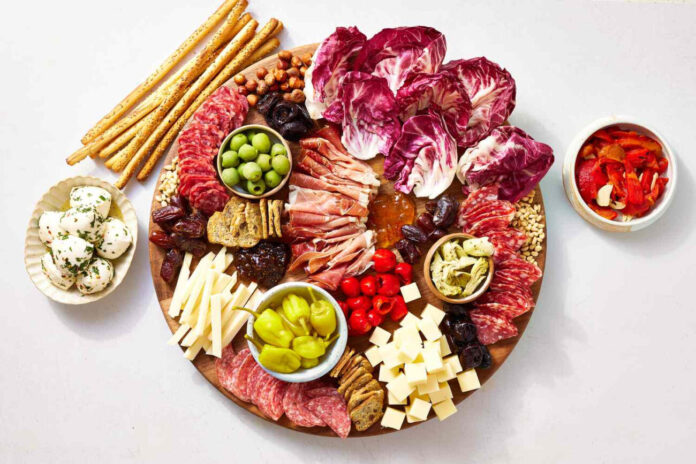
Creating a delightful antipasto platter is an excellent way to start any gathering. This appetizer combines vibrant colors and bold flavors, making it visually appealing and delicious. The beauty of this recipe lies in its versatility. There are no strict rules or measurements, allowing for endless customization.
Key components often include cured meats, various cheeses, and marinated vegetables. These ingredients can be arranged beautifully for easy grabbing. The tradition of antipasto emphasizes variety, letting hosts tailor their platters based on personal preferences and seasonal ingredients.
By following this guide, anyone can craft an impressive antipasto platter that elevates a casual get-together into a memorable dining experience. Each step is simple and straightforward, ensuring that even those with little cooking experience can succeed.

Understanding the Appeal of an Italian Antipasto Board
The charm of an antipasto platter lies in its ability to set the stage for a delightful dining experience. This appetizer is not just a simple starter; it offers a rich variety of flavors and textures that awaken the palate. The key to crafting a successful platter is selecting ingredients that complement each other while still standing out on their own.
Here are some reasons why this appetizer is so popular:
- The popularity of the antipasto platter stems from its effortless ability to impress guests while requiring minimal cooking.
- This platter offers a sensory experience, combining salty, tangy, and savory elements that prepare the palate for the main meal.
- People choose these boards because they cater to a wide variety of dietary preferences without sacrificing flavor or presentation.
- The visual appeal of a well-arranged platter makes it a favorite for social media sharing and entertaining inspiration.
- Hosts appreciate that an antipasto spread can be assembled ahead of time, reducing stress on the day of the event.
- The interactive nature of the platter encourages guests to mix and match flavors, creating a personalized appetizer experience.
- This meal-starting tradition adds a touch of authenticity that elevates any dining occasion.
Understanding user intent reveals that most people seek guidance on balancing flavors and textures for the perfect platter. This concept aligns with modern entertaining trends that favor grazing tables and shared plates over formal courses.
| Aspect | Description |
|---|---|
| Flavor Variety | Combines salty, sweet, and savory elements. |
| Visual Appeal | Colorful arrangement enhances presentation. |
| Dietary Options | Cater to various dietary needs, including vegetarian and gluten-free. |
| Preparation | Can be made in advance for convenience. |
What is an Italian Antipasto Board?
A beautifully arranged antipasto platter sets the tone for a memorable dining experience. The term “antipasto” translates directly to “before the meal,” defining its role as the opening course in traditional dining. This platter typically features a curated selection of cured meats, cheeses, marinated vegetables, and other flavorful bites.
Definition and Meaning of Antipasto
In Italian cuisine, antipasto refers to a singular appetizer, while antipasti is the plural form. This dish serves as a delightful introduction, stimulating the appetite and preparing guests for the main meal. The variety found in an antipasto platter makes it an appealing choice for gatherings.
Historical and Cultural Background
Historically, antipasti originated in medieval Italy. Hosts would offer sweet and savory morsels to entice their guests. Over the centuries, this tradition evolved to include regional specialties, reflecting the diverse culinary practices across Italy.
Understanding this cultural background helps home cooks appreciate the authenticity behind each ingredient choice on the platter. Many people confuse antipasto with charcuterie, but they have distinct origins and compositional differences.
Difference Between Antipasto and Charcuterie
Charcuterie is a French term that primarily emphasizes cured meats, often accompanied by cheeses and bread. In contrast, an antipasto board incorporates a broader range of items, including pickled vegetables, olives, and marinated artichokes. The antipasto platter is designed to be a light, protein-forward start to the meal, whereas charcuterie can stand alone as a snack.
This post clarifies the distinction, ensuring readers understand the cultural significance of the antipasto tradition. Recognizing the difference between these two styles allows for more intentional and authentic board creation.
https://www.youtube.com/watch?v=xcXhv6NEcyo
Essential Ingredients for the Perfect Italian Antipasto Board
A vibrant selection of ingredients can transform any gathering into a culinary delight. The key to an exceptional platter lies in the careful choice of cured meats, cheeses, and vegetables. Each component contributes to a well-rounded flavor profile, ensuring that every bite is memorable.
Cured Meats: Selecting Variety and Flavor
Choosing the right cured meats is essential for building a flavorful antipasto platter. Popular options include:
- Mortadella
- Red wine salami
- Hot capicola
- Bresaola
- Soppressata
- Thinly sliced prosciutto
Genoa salami offers a smoky aroma and spiced flavor, while prosciutto adds a silky, salty element that melts on the tongue. A well-rounded platter typically features three to four meats, selected for their contrasting textures and heat levels.
Cheeses: Classic and Complementary Choices
Cheeses form the creamy backbone of the antipasto. Classic choices include:
- Sharp provolone
- Fresh mozzarella
- Nutty parmigiano reggiano
Including a variety of cheeses ensures that each bite offers a new combination of richness and tang. Fresh mozzarella provides a mild, milky contrast to the bold flavors of the cured meats and pickled items.
Vegetables and Accoutrements: Marinated and Fresh
Vegetables and accoutrements bring brightness and acidity, balancing the richness of the meats and cheeses. Consider adding:
- Marinated artichokes
- Roasted red peppers
- Pepperoncini
- Olives (both green and black)
- Cherry peppers
These ingredients not only enhance the flavor profile but also add vibrant colors and textures to the platter. The best items for an antipasto spread can often be found at local grocery stores or specialty markets.
| Ingredient Type | Examples | Flavor Profile |
|---|---|---|
| Cured Meats | Prosciutto, Salami, Capicola | Salty, Savory |
| Cheeses | Provolone, Mozzarella, Parmigiano | Creamy, Tangy |
| Vegetables | Artichokes, Peppers, Olives | Tangy, Briny |
Preparing Your Ingredients
Preparing your ingredients ahead of time makes the assembly of your platter seamless. This not only ensures a smooth process but also allows the flavors to meld beautifully. A little preparation goes a long way in creating an impressive appetizer spread.
Marinating Mozzarella and Vegetables
Marinated mozzarella is a standout addition that elevates the dish with herb-infused olive oil and a hint of heat. To make marinated mozzarella, combine 8 ounces of ciliegine mozzarella balls with 3 tablespoons of olive oil, 1 tablespoon of fresh parsley, 2 teaspoons of minced sun-dried tomatoes, and 1/4 teaspoon of red pepper flakes. A pinch of kosher salt enhances the flavors, and for an aromatic depth, consider adding a small clove of finely minced garlic.
Let the mozzarella marinate for at least 15 minutes. This time allows the cheese to absorb the vibrant flavors, making it a delicious component of your platter. Additionally, cherry tomatoes can be halved and tossed with olive oil, oregano, and basil for a simple yet flavorful salad element.
Slicing and Portioning Meats and Cheeses
Slicing meats like prosciutto and salami into thin, easy-to-grab portions makes the board more accessible for guests. Cheeses such as sharp provolone and parmigiano reggiano should be cut into bite-sized wedges or chunks rather than left whole. This approach ensures that every guest can enjoy the flavors without hassle.
Tips for Balancing Flavors and Textures
Balancing flavors and textures is key. Pair salty meats with creamy mozzarella and tangy pickled vegetables for contrast. The juices from marinated vegetables naturally dress the meats and cheeses on the platter, enhancing every bite. For a finishing touch, sprinkle red pepper flakes and freshly ground black pepper over the board.
Taking the time to properly portion ingredients ensures that the platter looks abundant and inviting. This recipe emphasizes that preparation takes only about 15 minutes, making it an efficient appetizer option. Properly prepared ingredients are the foundation of a successful spread that delights both the eyes and the palate.

How to Assemble the Italian Antipasto Board
Assembling a stunning antipasto platter is an art that combines practicality with visual appeal. The right arrangement can elevate the experience, making it inviting and easy for guests to enjoy. Here’s how to create a delightful spread that impresses everyone.
Choosing the Right Platter and Bowls
The first step is selecting a large oval or rectangular platter. This shape provides ample space for all the antipasto components. A generous size ensures that guests can access items easily from different angles.
Small bowls are essential for containing marinated items like mozzarella, olives, and peppers. These bowls prevent liquids from spilling and keep the platter tidy. Placing these bowls on the board first helps anchor the arrangement, creating a structured foundation for the other items.
Arranging Ingredients for Visual Appeal and Practicality
When arranging the ingredients, consider making piles rather than intricate patterns. This approach keeps the platter approachable and easy to serve. For example, place two separate piles of meats on opposite sides of the platter. This way, guests can grab them from any angle.
Cheeses like provolone and parmigiano should be cut into bite-sized chunks and piled together. The visual appeal of the board comes from contrasting colors, such as bright red peppers against creamy white mozzarella. Avoid placing crackers or bread directly on the platter to prevent them from becoming soggy.
For marinated items, like mozzarella, use a small bowl to contain the marinade. This keeps the flavors intact and enhances the overall presentation. Cocktail forks, appetizer plates, and napkins should be placed nearby for guest convenience.
Serving Utensils and Presentation Tips
Presentation is key. Drizzle olive oil over cheeses and garnish with fresh herbs for a polished finish. A small bowl for olive pits and used toothpicks helps keep the serving area tidy throughout the event.
The assembly process takes only a few minutes once all ingredients are prepped. Refilling the platter as needed ensures that the antipasto spread remains abundant and inviting for the duration of the gathering. A well-assembled antipasto platter balances beauty and function, encouraging guests to dig in without hesitation.
Serving Suggestions and Accompaniments
Serving an array of accompaniments alongside your antipasto can elevate the entire dining experience. The right additions not only enhance the flavors but also create a visually appealing spread. Here are some suggestions to consider:
Breads, Crackers, and Crostini
It’s important to serve bread and crackers on the side rather than directly on the platter. This prevents them from absorbing moisture and becoming soggy. A variety of options can complement the antipasto beautifully:
- Sliced focaccia
- Crusty ciabatta
- Crispy breadsticks
Homemade crostini adds a rustic touch. Simply slice a skinny baguette at an angle, brush with olive oil, sprinkle with salt, and broil until toasty. Crackers like taralli, a traditional Italian snack, provide a crunchy contrast to the soft cheeses and marinated vegetables.
Offering multiple bread and cracker choices ensures that every guest finds a favorite vehicle for the toppings.
Wine and Beverage Pairings
Wine pairings can elevate the antipasto platter experience. Crisp Pinot Grigio and bubbly Prosecco are classic choices. A light Chiaretto rosé also pairs beautifully, balancing the saltiness of the cured meats and the richness of the cheeses. For non-alcoholic options, consider sparkling mineral water or Italian limonata to keep the board accessible to all guests.
Timing and Storage for Optimal Flavor
Timing is crucial; the antipasto should be served at room temperature for optimal flavor and texture. The board can be assembled a few hours ahead, covered tightly, and refrigerated. Just remember to set it out for 30 minutes before serving to allow the flavors to meld.
Proper storage of leftovers is essential. Keep meats, cheeses, and vegetables in separate airtight containers to maintain freshness for up to three days. Additionally, a small bowl for olive pits and used toothpicks should be placed nearby to maintain a clean serving area.
This recipe encourages hosts to focus on the communal, relaxed nature of the appetizer. Thoughtful accompaniments and pairings can transform a simple platter into a complete culinary experience.
| Accompaniment Type | Examples | Notes |
|---|---|---|
| Breads | Focaccia, Ciabatta, Breadsticks | Served on the side to prevent sogginess |
| Crackers | Taralli, Crisp Crackers | Provides crunch and contrast |
| Crostini | Toasted Baguette Slices | Rustic touch with olive oil and salt |
| Wine | Pinot Grigio, Prosecco, Chiaretto | Enhances flavors of the platter |
| Non-Alcoholic | Sparkling Water, Limonata | Accessible for all guests |

Variations and Regional Influences on Italian Antipasto Boards
Exploring the different styles of antipasto can inspire creativity when crafting a platter. Each region of Italy has its own unique take on this appetizer, reflecting local ingredients and culinary traditions. Understanding these variations can help hosts customize their boards to suit diverse tastes and occasions.
Alpine, Central, and Southern Italy Antipasto Styles
The Alpine region showcases rich, dairy-forward boards featuring cheeses like asiago, fontina, and taleggio. These are often paired with cured meats such as mortadella, prosciutto di Parma, and bresaola. The flavors are hearty and comforting, perfect for colder climates.
In Central Italy, antipasti highlight crostini topped with olive tapenade, fresh mozzarella, burrata, and a variety of salami. Smoked salmon and eggplant also make appearances, offering a delightful mix of flavors and textures.
Southern Italy takes a different approach by incorporating seafood elements like anchovies, clams, and shrimp. These are often served alongside fresh mozzarella, sun-ripened tomatoes, roasted peppers, and artichokes, creating a vibrant and flavorful spread.
Vegetarian and Vegan Adaptations
For those who prefer plant-based options, vegetarian adaptations focus on an abundance of veggies, marinated artichoke hearts, and creamy cheeses. These can include roasted peppers, olives, and a variety of fresh herbs.
Vegan boards can be just as appealing, featuring plant-based deli slices that mimic prosciutto, marinated beans, and a colorful array of roasted peppers and olives. These options ensure that everyone can enjoy a delicious platter, regardless of dietary preferences.
Customizing Your Board for Different Occasions
Customizing the antipasto spread for different occasions is a great way to enhance the dining experience. Whether it’s a holiday gathering, a picnic, or a formal dinner party, the board can be tailored to fit the event’s theme and guest preferences.
Incorporating seasonal vegetables and fruits keeps the platter fresh and aligned with local produce availability. Recipes for antipasto platters can be easily scaled up or down depending on the number of guests and the formality of the event.
This post encourages experimentation, reminding readers that there are no strict rules when building an antipasto spread. The variety of meats, cheeses, and veggies available makes each platter a unique creation that reflects the host’s personality and creativity.
| Region | Key Ingredients | Style |
|---|---|---|
| Alpine | Asiago, Fontina, Mortadella | Dairy-forward, hearty |
| Central | Crostini, Burrata, Salami | Varied flavors, rich |
| Southern | Anchovies, Tomatoes, Artichokes | Seafood-focused, vibrant |
| Vegetarian | Veggies, Artichoke Hearts, Cheeses | Fresh, colorful |
| Vegan | Plant-based Deli Slices, Beans, Peppers | Creative, inclusive |
Conclusion
An inviting platter of assorted bites can elevate the start of any meal to new heights. Crafting this appetizer is a rewarding experience that balances simplicity with impressive presentation. This recipe guide has covered every step, from selecting ingredients to assembling a stunning spread.
The beauty of an appetizer platter is that it allows for personal expression and creativity. Each board can reflect individual tastes, making it a fun and customizable experience. This meal-starting tradition encourages connection through shared food, fostering memorable moments among guests.
Readers are encouraged to revisit this post whenever they seek inspiration for their next gathering. With practice, assembling a platter becomes second nature, making it a go-to option for any occasion. Ultimately, this dish is not just an appetizer; it celebrates flavors and hospitality.