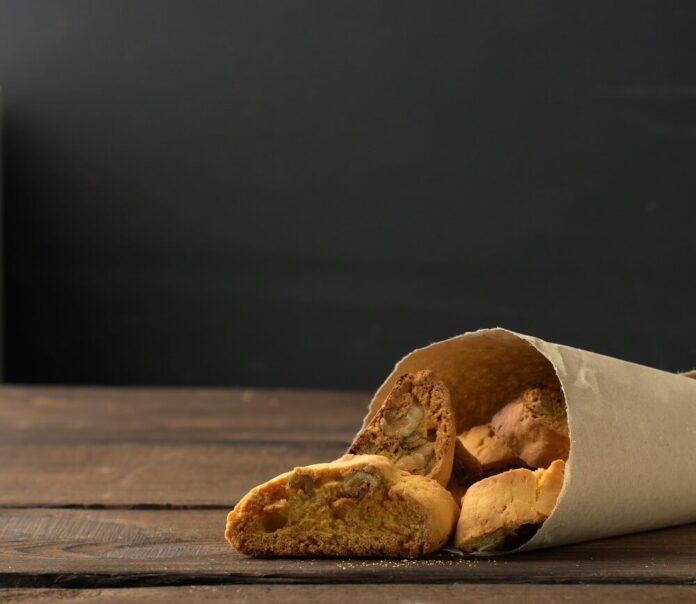
Perhaps your grandmother made biscotti that everyone wanted to take home after Sunday lunch. Or your family has a pasta sauce recipe that has never been written down because everyone learned to make it by watching someone else in the kitchen.
Recipes like those can become the foundation of a small food business. Before investing in commercial kitchen equipment, branded packaging and a website, however, you need to determine if people outside your family would pay for your food and how much it would cost to produce consistently.
Choose Family Recipes With Commercial Potential
Start with a few recipes rather than trying to sell everything your family cooks. Consider the cost of ingredients, preparation time, shelf life and how well each product will survive transportation.
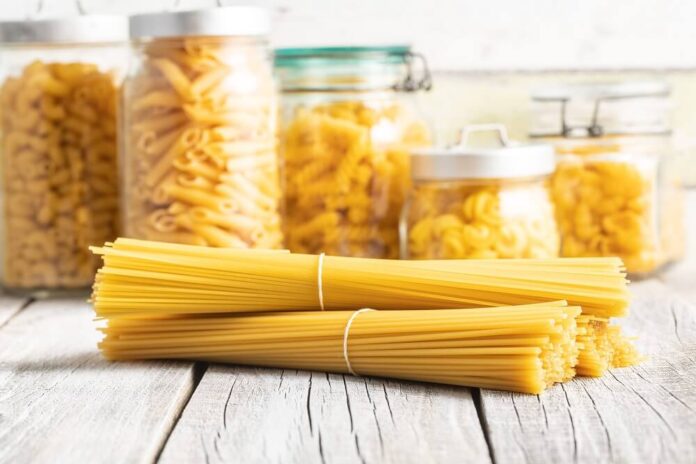
Dry biscuits, seasoning blends and dried pasta are easier to distribute than fresh ravioli or desserts containing mascarpone. Refrigerated products require controlled storage temperatures and suitable transportation, which can increase operating expenses considerably.
| Food Product | Commercial Potential | Main Challenge |
|---|---|---|
| Biscotti and dry cookies | Online sales, coffee shops and gift boxes | Preventing breakage during shipping |
| Dried pasta | Specialty food stores and online retail | Consistent production and proper drying |
| Herb and spice blends | Individual packages, multipacks and cooking kits | Ingredient sourcing and flavor consistency |
| Tomato and pasta sauces | Specialty grocery stores and online sales | Food safety, preservation and packaging |
| Fresh filled pasta | Local restaurants and specialty markets | Refrigeration and short shelf life |
| Bread and focaccia | Local markets, bakeries and restaurants | Freshness and daily production costs |
Think about how different recipes could work together as commercial products. A family seasoning recipe could become part of an Italian cooking kit containing dried pasta, a seasoning packet and a printed recipe card.
If you plan to sell kits or gift boxes online, Dollan Prep Center offers kitting and fulfillment services that cover product assembly, custom packaging, labeling, storage and shipping. Confirm that the warehouse accepts your specific packaged food products before committing to a distribution arrangement.
Find Out if People Will Actually Buy Your Food
Compliments at family gatherings are encouraging, but they tell you little about how much a stranger would pay for the same food.
Once you have the necessary permission to sell your products, prepare a small batch and offer it at a local market or community event. Give customers the opportunity to taste the food before buying a full package.
Pay attention to which products sell at their intended retail price. If everyone enjoys your almond biscotti but few people are willing to pay $12 for a package, you may need to reconsider the portion size, production costs or target market.
Keep track of repeat customers. Someone buying another package two weeks after their first purchase provides more valuable information about demand than someone accepting a free sample.
Write Down Every Ingredient and Preparation Step
Many family recipes contain instructions such as adding a little flour, pouring in enough olive oil or cooking until the sauce looks right. Experienced home cooks know what those instructions mean, but another person preparing the recipe may produce very different results.
Commercial production requires exact measurements and repeatable procedures. Record ingredient weights in grams, cooking temperatures, preparation times and the finished weight of each batch.
Test several batches before settling on a production recipe. Increasing a biscotti recipe tenfold does not necessarily produce the same results as baking ten individual batches. Larger quantities can affect mixing, baking time and moisture distribution.
A written production recipe also makes it easier to calculate ingredient expenses, train employees and investigate problems if customers report changes in taste or texture.
Check the Legal Requirements for Selling Homemade Food
In the United States, cottage food laws allow certain food products to be prepared and sold using home kitchens. Permitted foods, sales limits and distribution rules differ by state.
Cookies, dry baking mixes and certain other foods that do not require refrigeration may qualify. Fresh pasta containing eggs, cream desserts and refrigerated sauces generally require more carefully controlled production conditions.
The FDA explains the regulatory requirements for starting a food business, including facility registration, sanitation, labeling and recordkeeping. Your state and local authorities may impose additional licensing requirements.
Before spending money on equipment or packaging, establish the following.
- Which foods you are legally permitted to produce at home.
- Required business licenses and food production permits.
- Restrictions on online sales and interstate shipping.
- Kitchen inspection and food safety training requirements.
- Applicable labeling and allergen disclosure rules.
- Conditions that require production in a commercial kitchen.
Be especially careful with traditional recipes for preserved vegetables, garlic in oil and bottled sauces. A recipe that your family has safely prepared for immediate consumption is not necessarily safe for commercial storage at room temperature. Certain products require professionally validated preservation processes.
Calculate the Real Cost of Each Product
Ingredient expenses alone will not tell you how much money you can earn. Your selling price also needs to cover preparation time, packaging, kitchen expenses, payment processing and distribution.
Consider a hypothetical small business producing almond biscotti in packages of 250 grams.
| Food Product | Commercial Potential | Main Challenge |
|---|---|---|
| Biscotti and dry cookies | Online sales, coffee shops and gift boxes | Preventing breakage during shipping |
| Dried pasta | Specialty food stores and online retail | Consistent production and proper drying |
| Herb and spice blends | Individual packages, multipacks and cooking kits | Ingredient sourcing and flavor consistency |
| Tomato and pasta sauces | Specialty grocery stores and online sales | Food safety, preservation and packaging |
| Fresh filled pasta | Local restaurants and specialty markets | Refrigeration and short shelf life |
| Bread and focaccia | Local markets, bakeries and restaurants | Freshness and daily production costs |
In this example, the contribution margin is about 48.3%. The customer pays delivery charges separately. Advertising, insurance, equipment and other fixed business expenses still need to be covered.
Calculate Your Break Even Point
Suppose your monthly fixed expenses amount to $1,500. With a contribution of $5.79 per package, you would need to sell 260 packages each month to cover those expenses.
Selling 500 packages would generate $5,995 in revenue and leave $1,395 after the illustrated variable and fixed expenses, before taxes.
Include the value of your own labor even if you initially prepare everything yourself. Otherwise, your business may appear profitable only because you are working without compensation.
Establish a Reliable Shelf Life
How long will your biscotti remain crisp inside a sealed package? Will your seasoning blend retain its aroma after three months? Can your pasta survive storage in a warehouse during summer?
Commercial shelf life depends on the ingredients, production process, moisture levels, packaging and storage conditions. Guessing an expiration date based on personal experience is insufficient for products with potential food safety risks.
Work with a food testing laboratory or qualified food scientist to establish suitable storage instructions and shelf life for your product.
Keep production batch records and assign lot numbers to finished packages. If a supplier reports a contaminated ingredient or a customer discovers a packaging defect, you need to identify which products were affected.
Design Packaging That Protects Your Food
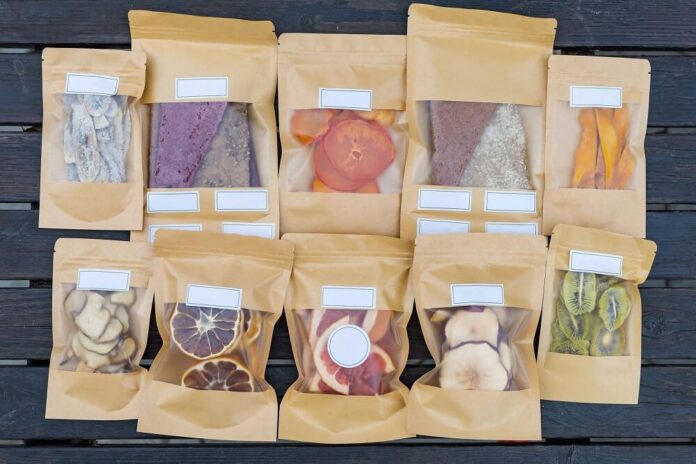
A beautiful cardboard box will accomplish little if the biscuits inside arrive broken or stale. Choose the primary food packaging according to the protection the product requires, then design the exterior around it.
Dry cookies need protection against moisture and physical damage. Herbs and spices benefit from packaging that limits exposure to air, light and humidity. Glass sauce jars require secure closures and protective shipping materials.
Order small quantities of packaging during your initial production runs. Purchasing thousands of printed labels before finalizing your ingredients, package weight or legal labeling requirements could leave you paying for materials you cannot use.
Your packaging should also give customers enough information to identify the product, its ingredients, allergens and storage requirements, along with other legally required details.
Give Customers a Reason to Remember Your Brand
The family history behind a recipe can help differentiate your product in a crowded market. If your grandparents came from Sicily and brought a traditional almond biscuit recipe with them, that history belongs on your website or packaging.
Tell the story accurately. Explain how the recipe was traditionally prepared, which ingredients give it its character and how your family served it.
A small food company can also help customers discover new ways to enjoy its products. A dried herb blend might include instructions for preparing roasted vegetables or a traditional Italian tomato sauce.
Useful serving suggestions give customers a reason to use the product more frequently and purchase another package when they run out.
Choose Where to Sell Your Products
Farmers markets offer direct contact with customers and immediate feedback. Independent delicatessens and specialty grocery stores can introduce your products to people who may never discover your online shop.
Wholesale pricing requires careful calculation. A retailer purchasing your product for $7 and selling it for $12 needs enough margin to cover its own expenses. Your production costs must also leave room for profit at the lower wholesale price.
An independent ecommerce store gives you greater control over prices and customer relationships. You will need to attract visitors through advertising, search engines, social media or existing customers.
Start with the sales channel best suited to your product and available production capacity. Accepting orders across several marketplaces before establishing a reliable production schedule can lead to delays and disappointed customers.
Increase Production Without Losing the Original Flavor
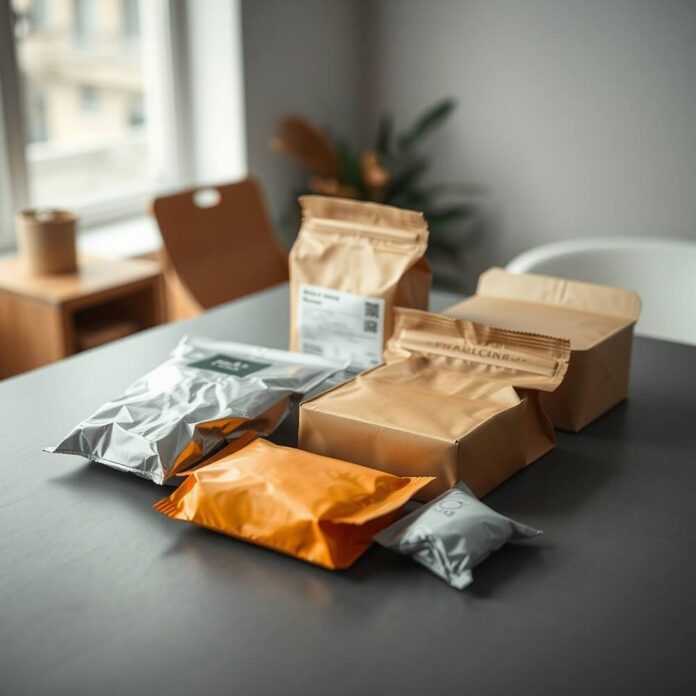
Once demand exceeds what your kitchen can handle, renting a licensed commercial kitchen by the hour may cost less than establishing your own production facility.
Another possibility is working with a contract food manufacturer. A suitable manufacturer can produce your recipe in commercial quantities according to agreed ingredient specifications and production standards.
Request trial batches before signing a large production agreement. Commercial equipment, ingredient substitutions and different processing methods can change the texture or flavor of a traditional recipe.
Review minimum order quantities carefully. If a manufacturer requires an initial run of 5,000 packages but your business sells only 300 per month, you could end up holding more than a year of inventory. Production commitments should match realistic demand and the validated shelf life of your food.