When it comes to Italian cuisine, few ingredients are as iconic as hard cheeses. Among them, two stand out: Pecorino Romano and Parmesan. Often mistaken for one another, these cheeses play vital roles in many dishes. Both are known for their salty, crumbly texture, making them excellent for grating.
However, they come from different milk sources and regions in Italy. Understanding these differences can enhance your cooking, whether you’re preparing pasta or assembling a cheese board. This guide will explore their unique taste profiles, production methods, and culinary applications.
Both cheeses have protected designation of origin status, ensuring their authenticity. By the end of this article, you’ll know when to choose Pecorino Romano and when Parmesan is the better option. Additionally, it’s worth noting that many American-made versions of Parmesan may not meet the same aging standards as authentic Parmigiano Reggiano.

Introduction to Pecorino Romano and Parmesan
Italian cuisine boasts a rich variety of hard cheeses that are essential to its identity. Among these, two prominent types are often highlighted: Pecorino Romano and Parmesan. Understanding their distinctions can greatly enhance your culinary experience.
Both cheeses fall under the category of hard cheeses, yet they have unique characteristics. Here’s a brief overview:
- Parmesan is a broad category that includes various types, such as Parmigiano Reggiano and Grana Padano.
- The name Parmesan can cause confusion in the U.S., where it often refers to any hard Italian-style grating cheese.
- Parmesan cheese has its roots in the 12th century, developed by Benedictine and Cistercian monks in Northern Italy.
- Parmigiano Reggiano is named after the provinces of Parma and Reggio Emilia, where authentic production is permitted.
- Pecorino Romano, on the other hand, has ancient origins, dating back to the Roman Age.
- This cheese was a staple for Roman legionaries, valued for its long shelf life and nutritional content.
- The word pecorino comes from “pecora,” meaning sheep, highlighting the difference in milk sources.
- Despite common misconceptions, Pecorino Romano is not a type of Parmesan.
- While historically made in Lazio, most production has shifted to Sardinia, adhering to PDO standards.
- Both cheeses are protected by designation of origin labels, ensuring quality and authenticity.
Understanding these historical and naming distinctions helps consumers appreciate the unique qualities each cheese brings to the table. This knowledge can enhance your culinary choices, whether you’re grating cheese over pasta or enjoying it on a cheese board.
Pecorino Romano Vs Parmesan: Taste Profiles and Production
Among the many delights of Italian cuisine, hard cheeses stand out prominently. The differences between these cheeses extend beyond their taste and texture. They are deeply rooted in the type of milk used and the regions where they are produced.
Milk Types and Regional Production Differences
The fundamental difference between these two cheeses lies in their milk source. Parmesan is made from cow milk, while Pecorino Romano is crafted from sheep milk. This distinction dramatically affects both flavor and texture.
Parmigiano Reggiano is produced exclusively in five Northern Italian provinces, utilizing unpasteurized cow’s milk. Strict regulations govern every aspect of its production, from cattle feed to the aging process.
In contrast, Pecorino Romano is made from whole fresh sheep milk in regions like Sardinia, Lazio, and Grosseto. The sheep graze on natural pastures, which greatly influences the character of the milk.
Aging Processes and Their Effects on Texture
The aging process for these cheeses also varies significantly. Parmesan requires a minimum aging of 12 months, often extending to 24 months or longer. This aging develops crunchy tyrosine crystals and a deeply savory, nutty flavor.
Pecorino Romano, however, has a shorter aging process of 5 to 12 months. During this time, it is dry-salted by hand, resulting in a sharper, saltier profile and a crumbly, dense texture.
Flavor Characteristics and Distinctive Profiles
When it comes to flavor, Parmesan boasts a rich, fruity taste with hints of hazelnut. It serves as a natural umami enhancer in various dishes.
Pecorino Romano, on the other hand, features a bold, tangy, and earthy flavor profile. Its pleasant bitterness and pronounced saltiness make it a standout in many recipes.
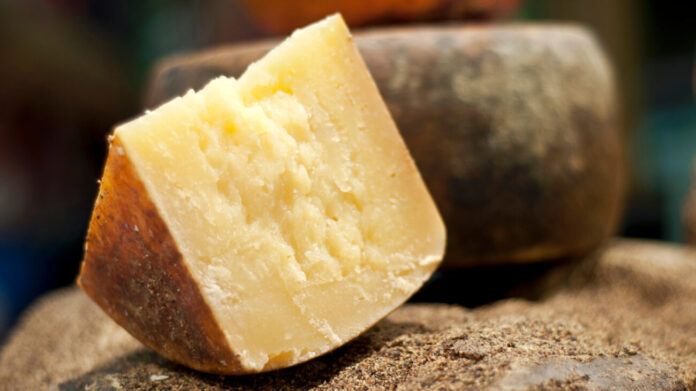
Visually, the differences are striking as well. Parmigiano Reggiano has a golden straw-colored interior and a natural rind, while Pecorino Romano is whiter with a distinctive brown or black rind.
In terms of fat content, Parmesan contains approximately 30%, while Pecorino Romano has about 32%. This slight difference contributes to their unique mouthfeels.
Culinary Uses and Cooking Applications
In the world of Italian cooking, the use of hard cheeses can elevate a dish significantly. Each cheese has its unique qualities that enhance flavor and texture in various recipes. Understanding how to use Pecorino Romano and Parmesan can transform your culinary creations.
Best Cooking Techniques for Each Cheese
When using Pecorino Romano, timing is crucial. It should be added to dishes in the last few minutes of cooking. This approach preserves its sharp, salty flavor, ensuring it stands out. For instance, when preparing pizza, crumble Pecorino Romano on top just before serving. This allows its taste to shine in every bite.
On the other hand, Parmesan benefits from longer cooking times. It melts beautifully into sauces, risottos, and baked dishes. This integration allows its nutty, umami character to infuse the entire dish, enhancing the overall flavor profile.
Iconic Recipes Featuring Pecorino Romano
Pecorino Romano shines in many traditional Roman pasta dishes. One standout is Cacio e Pepe, a simple yet flavorful dish that combines Pecorino cheese with black pepper and pasta water. This creates a creamy, spicy sauce that perfectly coats the pasta.
Another beloved recipe is Pasta alla Carbonara. Here, the sharpness of Pecorino Romano balances the richness of egg yolks and guanciale. The emulsification technique used prevents curdling, resulting in a silky sauce.
Additionally, dishes like Pasta all’Amatriciana and Pasta alla Gricia rely on the distinctive flavor of Pecorino Romano. These recipes highlight the cheese’s ability to complement cured pork and tomatoes or black pepper.
Iconic Recipes Featuring Parmesan
Moving on to Parmesan, one of the most famous recipes is Fettuccine Alfredo. In this dish, Parmigiano Reggiano melts into butter, creating a rich and silky sauce that envelops the pasta.
Parmesan also plays a key role in baked dishes like eggplant parmigiana and lasagna. Its granular texture and rich flavor create golden, savory crusts that enhance layered casseroles.
Moreover, Parmesan is the go-to cheese for risotto. Its slow integration during the mantecatura process creates the signature creamy texture found in dishes like Risotto alla Milanese.
Both cheeses can be combined in recipes such as traditional Genoa pesto, where Parmigiano Reggiano and Pecorino Romano work together for a balanced flavor. When substituting one cheese for the other, remember that Pecorino Romano’s stronger, saltier profile means using less and tasting as you go.

Pairings with Other Cheeses and Foods
Cheese is a versatile ingredient that can enhance the flavor of various dishes. Both Pecorino Romano and Parmesan offer unique pairings that elevate culinary experiences. Understanding how to combine these cheeses with other foods can lead to delightful discoveries.
Cheese Pairings That Complement Flavor Profiles
Parmesan pairs well with creamy, mild cheeses like Ricotta and mascarpone. This combination allows its granular texture and nutty flavor to shine without overwhelming the palate. On the other hand, Pecorino Romano complements smoother cheeses and pairs beautifully with bold blue cheeses like Gorgonzola, enhancing their sharpness.
Food Pairings: Meats, Fruits, Sauces, and More
When it comes to meats, Parmesan enhances the meatiness of lamb and beef. It also adds depth to lighter proteins like chicken and pork. Pecorino Romano, with its salty profile, loves sweet ingredients like dried fruits and honey. This balance creates a harmonious flavor experience on cheese boards.
Pecorino Romano also shines in rich, slow-cooked tomato sauces and meat-based gravies. It pairs well with fresh herb sauces like basil pesto, chimichurri, and salsa verde. For Parmesan, its synergy with umami-rich ingredients like tomatoes, anchovies, and mushrooms amplifies savory depth in pizzas and pasta dishes.
Creative and Unexpected Uses in Dishes
Both cheeses can be used in creative ways. For example, finely grated Parmesan can serve as a sweet-savory topping for vanilla bean ice cream rolled in crushed almonds and dried cherries. This unexpected combination surprises and delights the taste buds.
Pecorino Romano can also be finely grated over cold vegetable dishes, such as a beet and arugula salad. This adds a salty, tangy dimension that livens up every bite. Additionally, both cheeses elevate simple dishes like roasted vegetables, soups, and even popcorn when used as a finishing garnish.
Encouraging experimentation, both cheeses can add complexity to grain bowls, egg dishes, and even baked goods. Their unique flavors can transform everyday meals into extraordinary culinary experiences.
| Cheese | Pairing Suggestions |
|---|---|
| Parmesan | Ricotta, mascarpone, lamb, beef, chicken, pork, tomatoes, anchovies |
| Pecorino Romano | Gorgonzola, dried fruits, honey, tomato sauces, basil pesto, chimichurri |

Storage and Handling Tips for Pecorino Romano and Parmesan
Effective storage methods can prolong the life of hard cheeses, ensuring their taste remains vibrant. Both Pecorino Romano and Parmesan are hard, dense cheeses with low moisture content. This characteristic makes them naturally long-lasting and less prone to bacterial spoilage compared to softer varieties.
Recommended Storage Methods to Preserve Freshness
To keep these cheeses fresh, the refrigerator’s vegetable crisper drawer is ideal. This location provides the right humidity to prevent drying out while avoiding excess moisture. Wrap the cheese in parchment paper to allow it to breathe. Then, secure it with plastic wrap or aluminum foil to protect against air exposure.
If parchment paper is unavailable, a zip-top plastic bag can be used. Make sure to squeeze out excess air before sealing the bag. Buying cheese in smaller blocks is also recommended. This approach minimizes storage needs and ensures optimal flavor and texture with each use.
Expected Shelf Life and Identifying Spoilage
An unopened block of either cheese can last up to six months in the refrigerator. This shelf life is significantly longer than that of softer cheese varieties. To check for spoilage, look for signs such as hardening, darkening of the interior, unpleasant odors, or visible mold growth on the surface.
Mold on hard cheeses is typically superficial. It can be safely removed by cutting off at least an inch around the affected area. Just ensure the knife does not touch the mold to avoid contamination.
Maintaining Quality During Prolonged Storage
While freezing is an option, it can degrade the texture of these cheeses. This makes them crumbly and difficult to slice, so freezing is best suited for cheese intended for grating. Proper storage not only extends shelf life but also preserves the distinctive flavor profiles and granular textures that make these cheeses essential in the kitchen.
Conclusion
The debate surrounding these hard cheeses is not about which is superior, but rather about personal taste and recipe suitability. Each cheese offers unique flavors that enhance various dishes.
Pecorino Romano delivers a bold, salty punch, making it perfect for traditional Roman pasta recipes. Its tangy notes complement sweet or acidic ingredients beautifully.
On the other hand, Parmesan brings a nutty and umami-rich flavor, excelling in baked dishes and creamy risottos. Both cheeses have their place in the kitchen and can even be combined for a layered taste experience.
Home cooks should keep both cheeses on hand, as they elevate soups, salads, and even desserts. Authentic varieties with PDO labels provide the best quality and flavor.
Understanding the differences empowers cooks to make informed choices, enhancing their culinary creations with these Italian treasures.