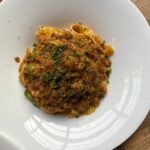
Tagliatelle al Ragu Bolognese Recipe
Tagliatelle al Ragù Bolognese is a classic Italian pasta dish featuring tender tagliatelle tossed in a rich, slow-cooked meat sauce. Perfect for family dinners or special occasions, it's best served with freshly grated Parmigiano-Reggiano and warm crusty bread.
Ingredients
For the Ragù Bolognese
- 2 tablespoons olive oil
- 2 tablespoons unsalted butter
- 1 medium onion finely diced
- 1 medium carrot finely diced
- 1 celery stalk finely diced
- 2 cloves garlic finely minced
- 1 pound ground beef
- ½ pound ground pork
- 4 ounces pancetta finely diced
- ¾ cup dry white wine
- 1 cup whole milk
- 1 cup crushed tomatoes or tomato passata
- 2 tablespoons tomato paste
- 1 cup beef stock plus more if needed
- 1 teaspoon salt or to taste
- ½ teaspoon black pepper
- ¼ teaspoon ground nutmeg
- 1 bay leaf
For the Pasta
- 1 pound tagliatelle pasta fresh or dried
- 1 tablespoon salt for pasta water
- ½ cup reserved pasta water
- ¾ cup freshly grated Parmigiano-Reggiano plus more for serving
Instructions
-
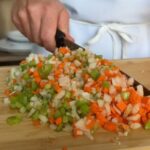
Prepare the Vegetables
Finely dice the onion, carrot, and celery. Mince the garlic. Keeping the vegetables small helps them melt into the sauce during cooking.
-
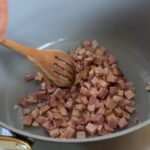
Cook the Pancetta
Heat the olive oil and butter in a large Dutch oven over medium heat. Add the pancetta and cook for 4–5 minutes, stirring frequently, until lightly browned and aromatic.
-
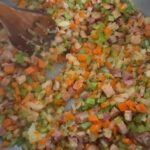
Sauté the Vegetables
Add the onion, carrot, and celery. Cook for 8–10 minutes until softened and translucent. Stir in the garlic and cook for 30 seconds until fragrant.
-
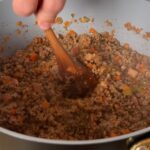
Brown the Meat
Add the ground beef and ground pork. Break the meat apart with a wooden spoon and cook for 8–10 minutes until no longer pink. Allow excess moisture to evaporate for deeper flavor development.
-
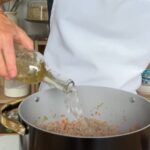
Add the Wine
Pour in the white wine and scrape the bottom of the pot to release any browned bits. Simmer for 5–7 minutes until the wine has mostly evaporated.
-
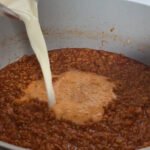
Add the Milk
Stir in the whole milk and simmer gently for 8–10 minutes. This traditional step tenderizes the meat and creates a smoother, richer sauce.
-
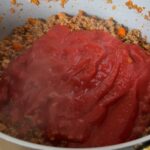
Add Tomatoes and Seasonings
Mix in the crushed tomatoes, tomato paste, beef stock, salt, black pepper, nutmeg, and bay leaf. Stir well to combine.
-
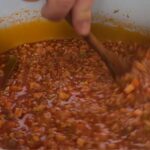
Slow-Cook the Ragù
Reduce the heat to low and partially cover the pot. Simmer gently for 2 to 2½ hours, stirring occasionally. Add additional beef stock as needed if the sauce becomes too thick. The finished ragù should be rich, thick, and meaty.
-
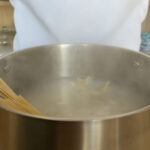
Cook the Tagliatelle
Bring a large pot of salted water to a rolling boil. Cook the tagliatelle according to package directions until al dente. Reserve ½ cup pasta water before draining.
-
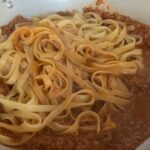
Combine Pasta and Sauce
Remove the bay leaf from the ragù. Add the drained pasta directly to the sauce and toss gently to coat. Add reserved pasta water as needed to help the sauce cling to the pasta.
-
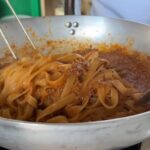
Finish with Cheese
Stir in the grated Parmigiano-Reggiano. Taste and adjust seasoning with additional salt and pepper if desired.
-
Serve
Serve immediately, topped with extra Parmigiano-Reggiano. Enjoy while hot.
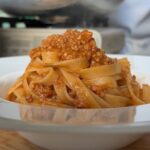
Recipe Video
Recipe Notes
- Simmer the ragù slowly over low heat for the most authentic flavor.
- A combination of beef and pork creates a richer, more balanced sauce.
- Traditional Bolognese uses only a modest amount of tomato, allowing the meat to remain the star.
- Whole milk softens acidity and contributes a silky texture.
- Fresh tagliatelle is ideal because its rough texture captures the sauce beautifully.
- If the sauce seems bland, add a small pinch of salt or extra Parmigiano-Reggiano.
- For additional richness, stir in 1 tablespoon of butter just before serving.
- Leftover ragù often tastes even better the next day after the flavors have had time to meld.